Follow Us:

News

What Makes an Aquarium Pump Essential for a Healthy and Thriving Tank?

2026-04-28 0 Leave me a message

An aquarium pump is one of the most critical yet often misunderstood components in any aquatic setup. Whether you are a beginner setting up your first fish tank or an experienced aquarist maintaining a complex ecosystem, the right pump ensures proper water circulation, oxygenation, and filtration efficiency. In this comprehensive guide, we will explore everything you need to know about aquarium pumps—from how they work and why they matter to how to choose the best one for your needs. By the end, you’ll have the knowledge to make informed decisions that protect your aquatic life and enhance your tank’s overall performance.

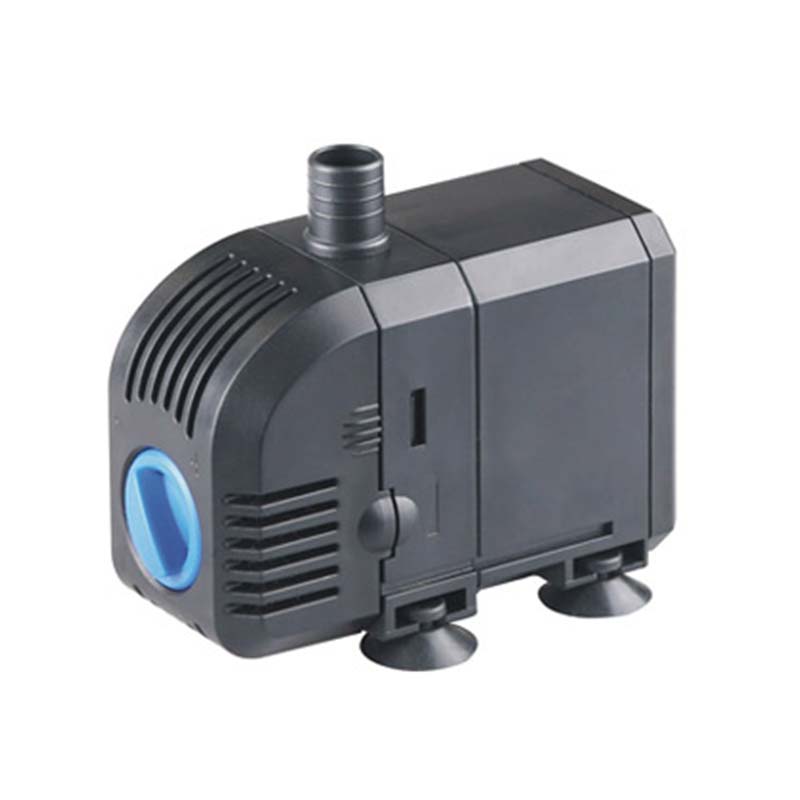
aquarium pump


Table of Contents


Why Is an Aquarium Pump Important?

Aquarium pumps play a vital role in maintaining a stable aquatic environment. Without proper circulation, water can become stagnant, leading to poor oxygen distribution and the accumulation of harmful substances.

  • Oxygenation: Pumps help circulate water, allowing oxygen to dissolve efficiently.
  • Filtration Support: They drive water through filters, removing debris and toxins.
  • Temperature Consistency: Even water movement prevents hot or cold spots.
  • Waste Removal: Keeps particles suspended for easier filtration.

In short, an aquarium pump ensures that your aquatic life thrives in a clean, oxygen-rich environment.


What Are the Main Types of Aquarium Pumps?

There are several types of aquarium pumps available, each designed for specific purposes. Understanding these options helps you select the most suitable one for your tank.

  • Air Pumps: Ideal for increasing oxygen levels and powering air stones.
  • Water Pumps: Used for water circulation and filtration systems.
  • Submersible Pumps: Placed inside the tank for quiet operation.
  • External Pumps: Installed outside the tank, suitable for larger setups.
  • Powerhead Pumps: Provide strong water flow for marine tanks.

How Does an Aquarium Pump Work?

An aquarium pump operates by creating pressure differences that move water or air through a system. Most pumps use an electric motor that drives an impeller, which pushes water forward.

The process can be summarized as follows:

  1. The motor powers the impeller.
  2. The impeller rotates, creating suction.
  3. Water or air is drawn in and pushed out.
  4. Continuous flow maintains circulation.

How to Choose the Right Aquarium Pump?

Selecting the right aquarium pump depends on several factors. Making the wrong choice can lead to poor water quality or unnecessary energy consumption.

  • Tank Size: Larger tanks require higher flow rates.
  • Type of Fish: Some species prefer calm water, others need strong currents.
  • Noise Level: Choose quiet models for indoor environments.
  • Energy Efficiency: Look for pumps with low power consumption.
  • Durability: High-quality materials ensure long-term use.

Companies like Ningbo TRUPOW Industrial Trade Co.,Ltd. provide reliable and efficient aquarium pump solutions designed to meet diverse needs, from small home aquariums to large commercial systems.


Comparison Table of Aquarium Pump Types

Type Best For Advantages Disadvantages
Air Pump Oxygenation Affordable, easy to install Limited water movement
Submersible Pump Small to medium tanks Quiet operation Requires cleaning
External Pump Large aquariums High power More expensive
Powerhead Pump Marine tanks Strong flow Higher energy use

Key Benefits of Using an Aquarium Pump

  • Improved fish health and activity
  • Enhanced water clarity
  • Efficient filtration performance
  • Reduced algae growth
  • Balanced ecosystem

Common Mistakes to Avoid

  • Choosing a pump that is too powerful or too weak
  • Ignoring maintenance requirements
  • Overlooking noise levels
  • Improper installation
  • Not matching pump type with tank setup

Maintenance Tips for Long-Term Performance

Proper maintenance ensures your aquarium pump operates efficiently for years.

  • Clean the impeller regularly
  • Check for blockages
  • Replace worn-out parts
  • Monitor noise changes
  • Inspect electrical connections

Frequently Asked Questions (FAQ)

Q1: Do all aquariums need a pump?
A: Most aquariums benefit from a pump, especially those with fish that require high oxygen levels.

Q2: How do I know the right pump size?
A: Choose a pump that can circulate the entire tank volume at least 3–5 times per hour.

Q3: Are aquarium pumps noisy?
A: Modern pumps are designed to be quiet, especially submersible models.

Q4: How often should I clean my pump?
A: Cleaning every 2–4 weeks is recommended for optimal performance.

Q5: Can I use one pump for multiple tanks?
A: It is possible with proper setup, but separate pumps are usually more efficient.


Conclusion

An aquarium pump is more than just an accessory—it is the heart of your aquatic system. From ensuring proper oxygen levels to maintaining water clarity, its role cannot be overstated. By understanding the different types, functions, and selection criteria, you can create a thriving environment for your fish and plants.

If you are looking for high-quality, durable, and efficient aquarium pump solutions, Ningbo TRUPOW Industrial Trade Co.,Ltd. offers a wide range of products tailored to meet your needs. Contact us today to discover how we can help you build the perfect aquarium system.

Related News
Leave me a message
X
We use cookies to offer you a better browsing experience, analyze site traffic and personalize content. By using this site, you agree to our use of cookies. Privacy Policy
Reject Accept