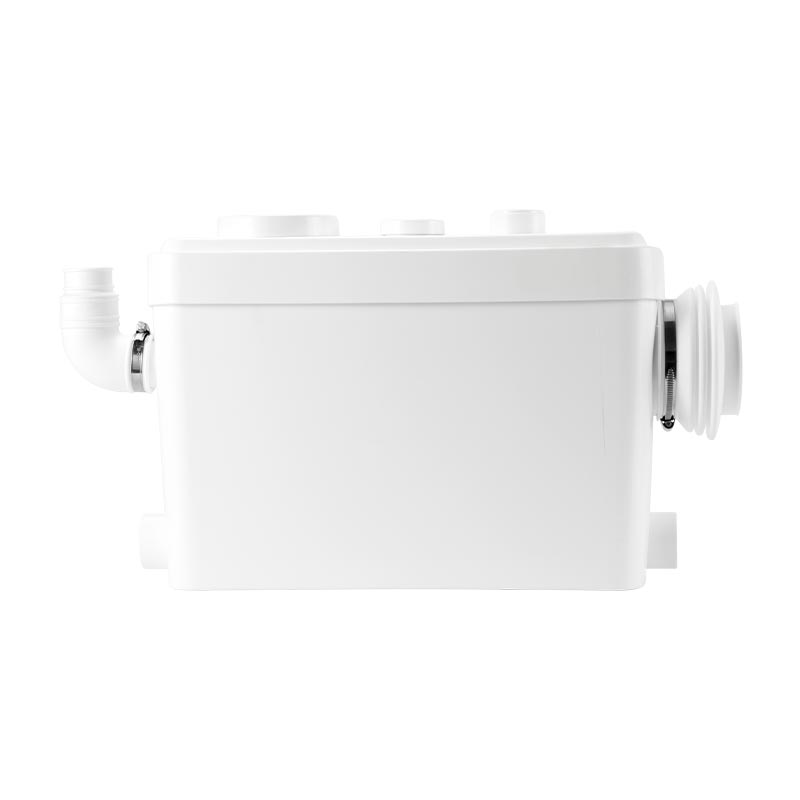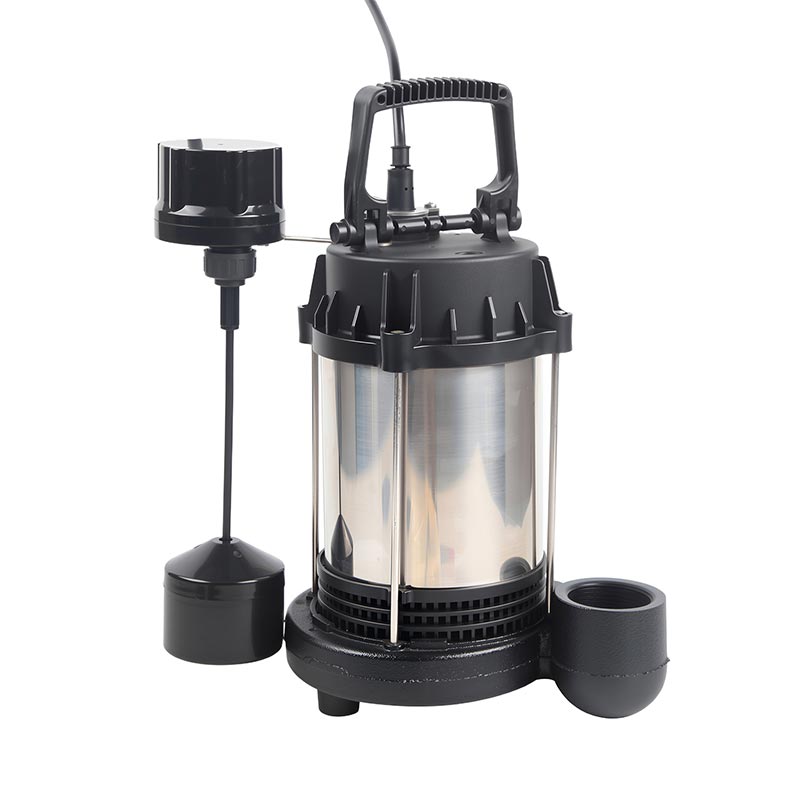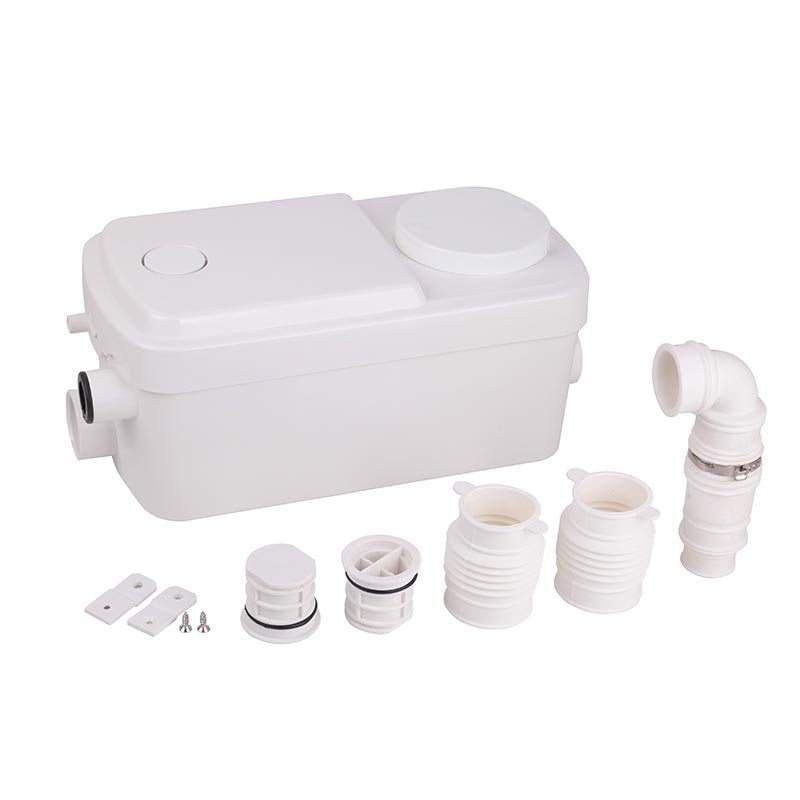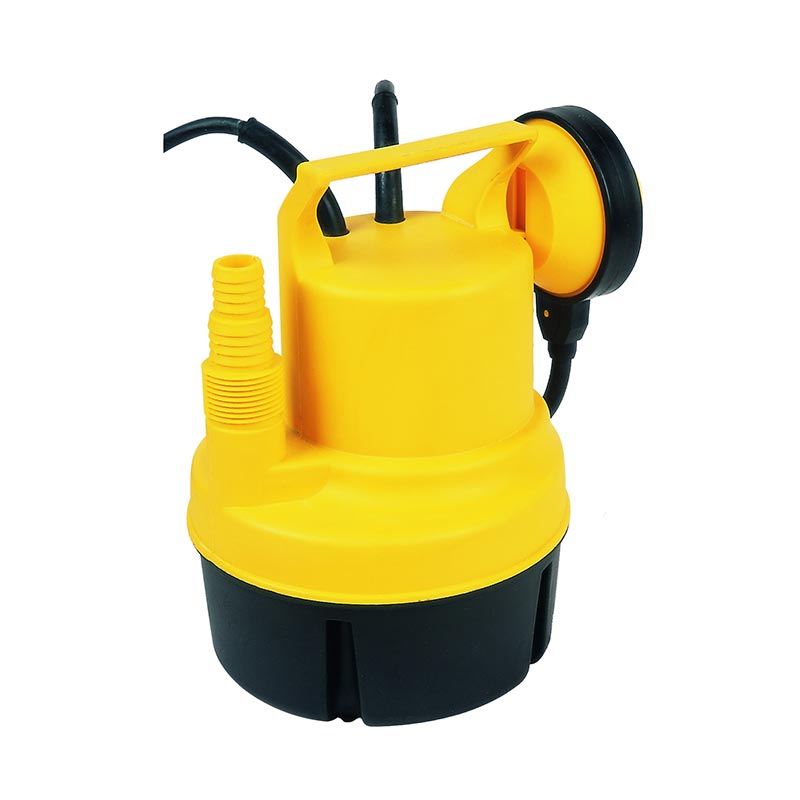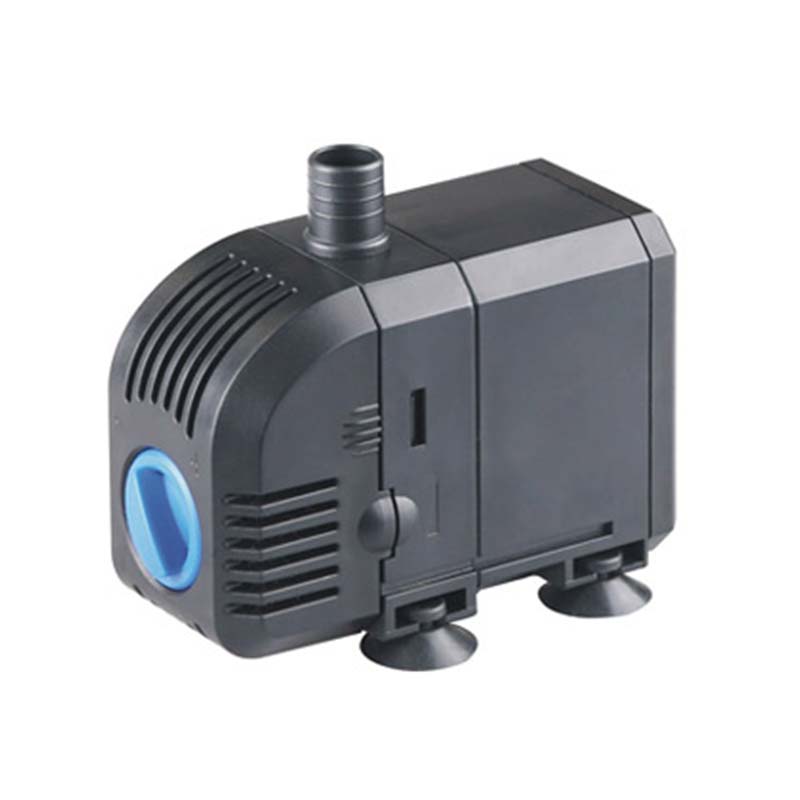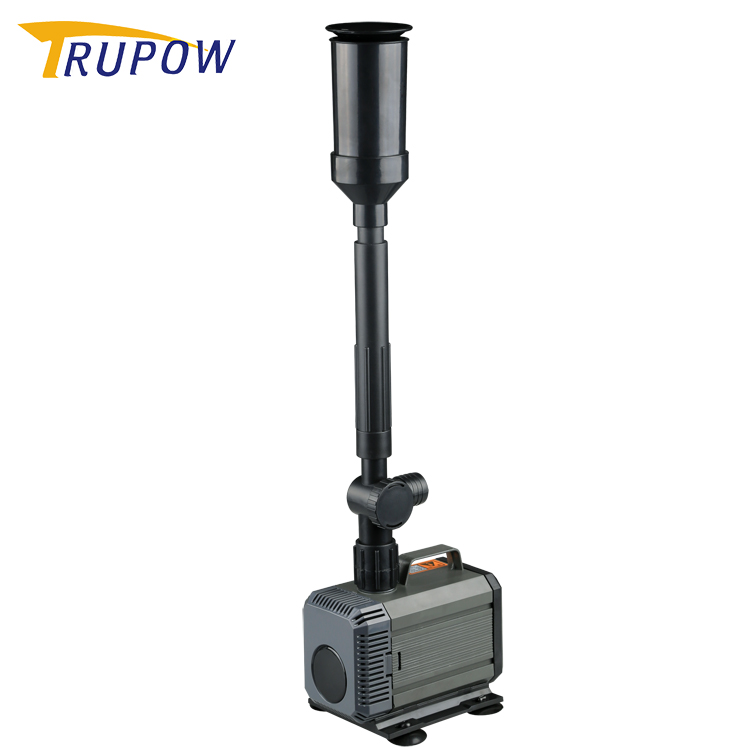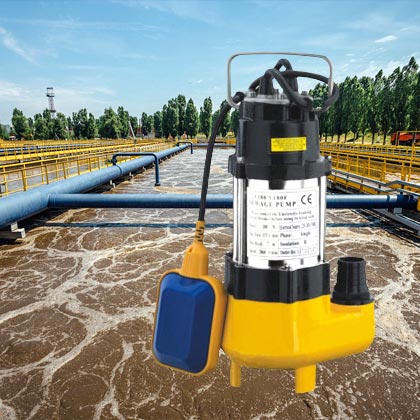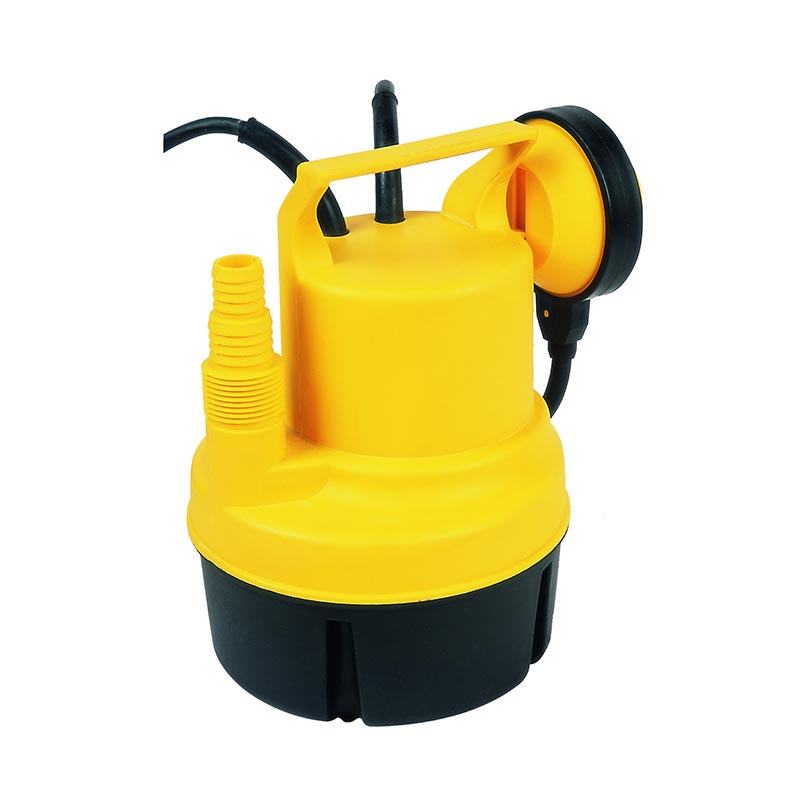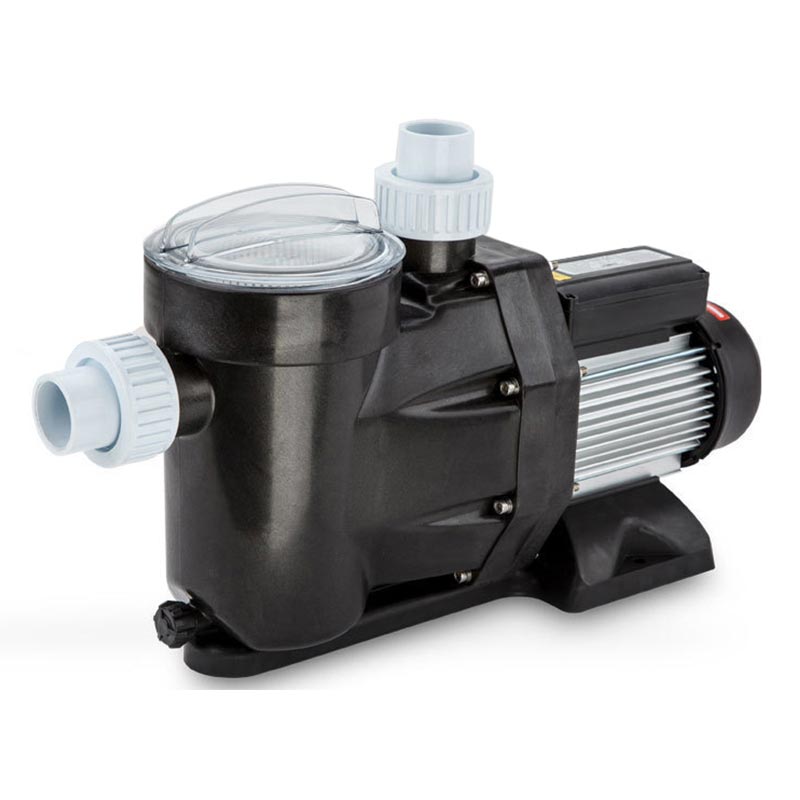
A submersible pump is an integrated pumping unit designed to operate while fully submerged in the fluid it is intended to move. Its core working principle involves converting electrical energy into mechanical kinetic energy to push fluid to the surface or a desired elevation, utilizing the surrounding fluid for cooling and lubrication.
The process begins when the electric motor, the prime mover of the pump, is energized. This motor is hermetically sealed within a waterproof compartment. Typically, it is a multi-stage centrifugal pump coupled directly to the motor shaft. As the motor spins, it rotates the pump shaft at high speed. This shaft is connected to a series of impellers (arranged in stages), each housed inside a corresponding diffuser.
When the impellers rotate, centrifugal force acts on the fluid that has entered the pump intake. This force flings the fluid from the center (eye) of the impeller outward to its periphery at high velocity, converting the motor's input energy into kinetic energy. The fluid, now moving rapidly, enters the surrounding diffuser chamber. The diffuser's geometry is designed to gradually expand, which efficiently converts this high-velocity kinetic energy into pressure energy by slowing the fluid down. This pressurized fluid is then directed to the inlet of the next stage's impeller.
In a multi-stage design, this process repeats sequentially through each impeller-diffuser pair. Each stage increases the fluid's pressure further, allowing the pump to generate the substantial head (pressure) required to lift fluid from great depths, often hundreds of meters, to the surface. The final high-pressure fluid is discharged through the pump outlet and into the vertical rising main (column pipe) that leads to the surface delivery point.
A critical aspect of its operation is its submerged nature. Being underwater eliminates the need for priming, as the pump intake is always surrounded by fluid. The surrounding fluid also serves as a natural coolant for the motor, preventing overheating during continuous operation. Mechanical seals are crucial components that prevent the pumped fluid from leaking into the motor compartment, ensuring electrical safety and operational integrity.
In summary, the submersible pump functions on centrifugal force generation through high-speed impellers, staged pressure multiplication via impellers and diffusers, and relies on its submerged environment for automatic priming and efficient cooling, making it a highly effective solution for deep-well water extraction, drainage, and industrial fluid transfer.
We use cookies to offer you a better browsing experience, analyze site traffic and personalize content. By using this site, you agree to our use of cookies.
Privacy Policy