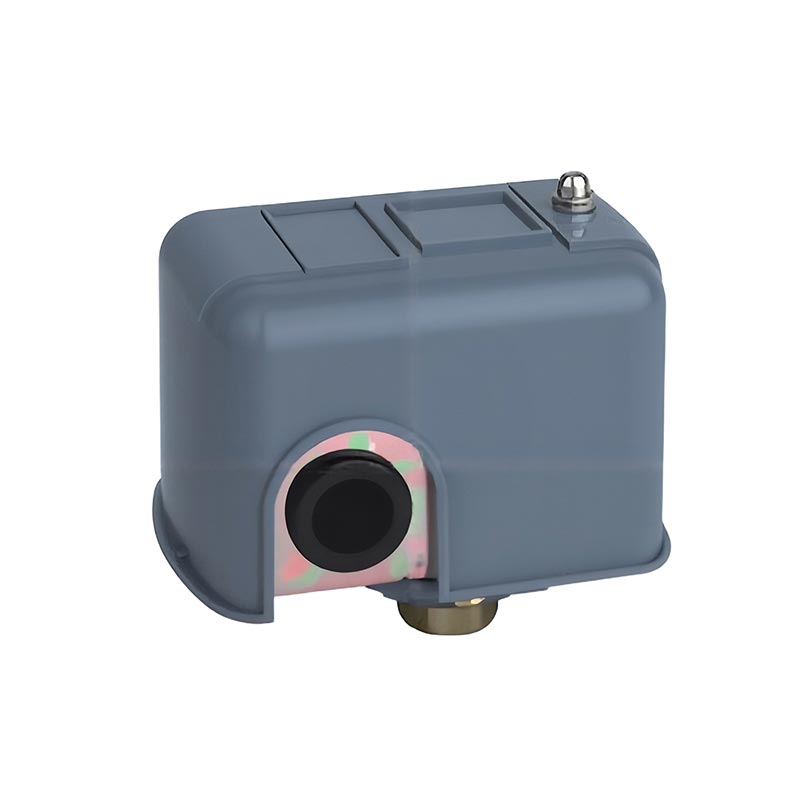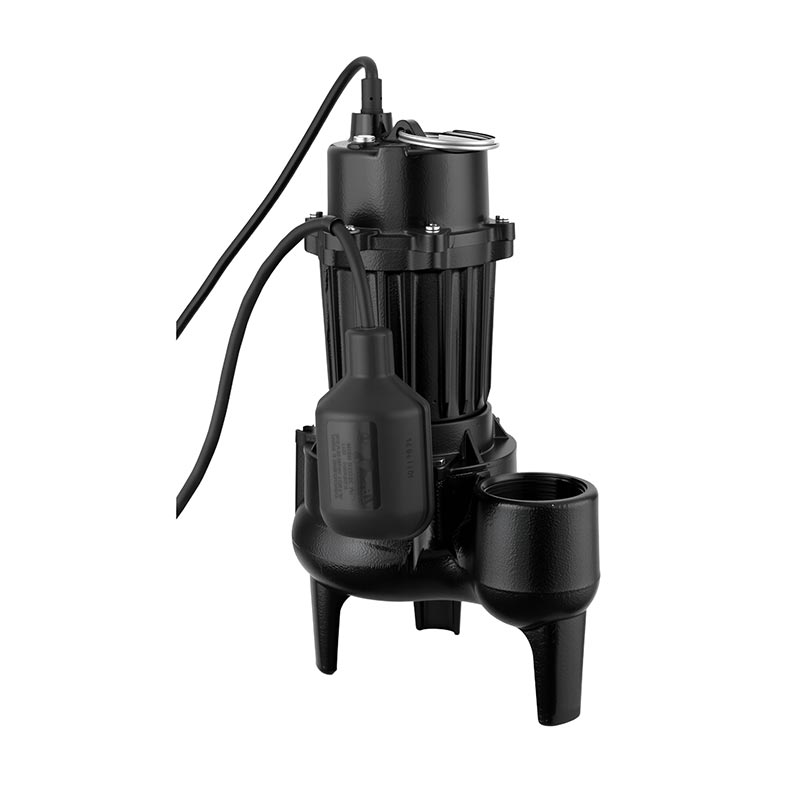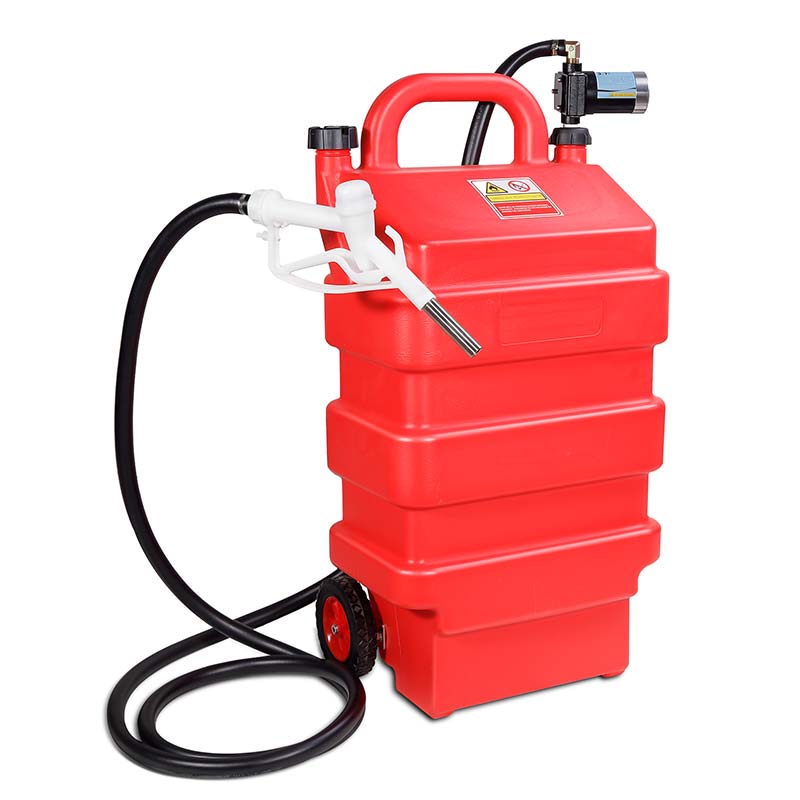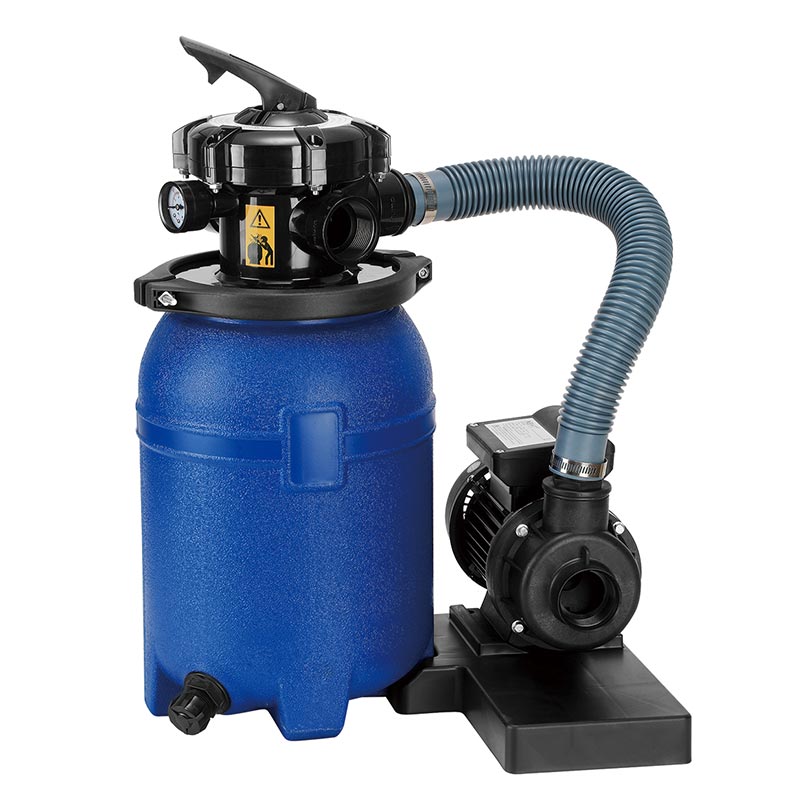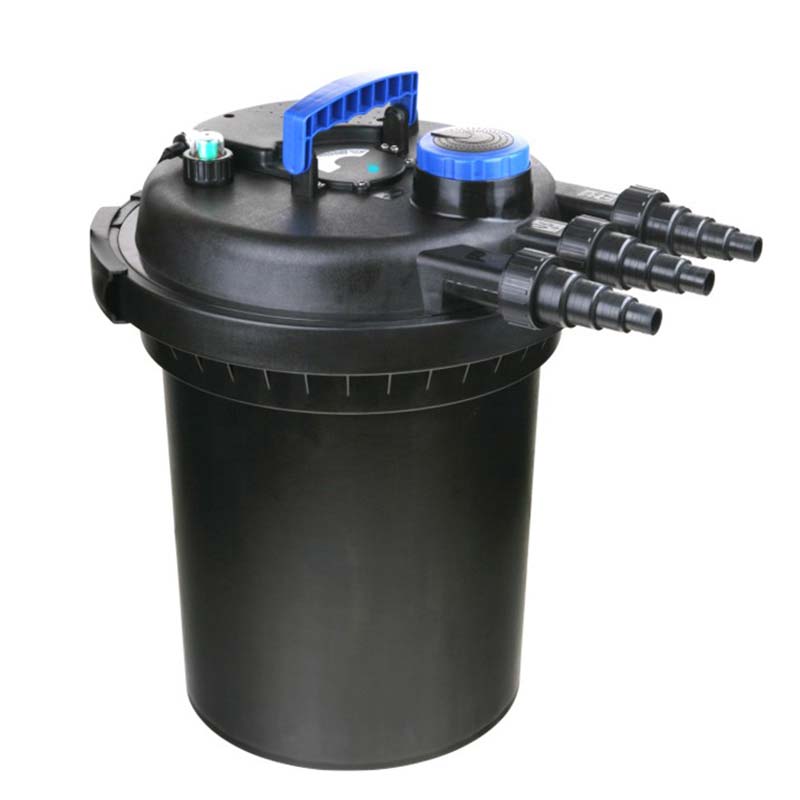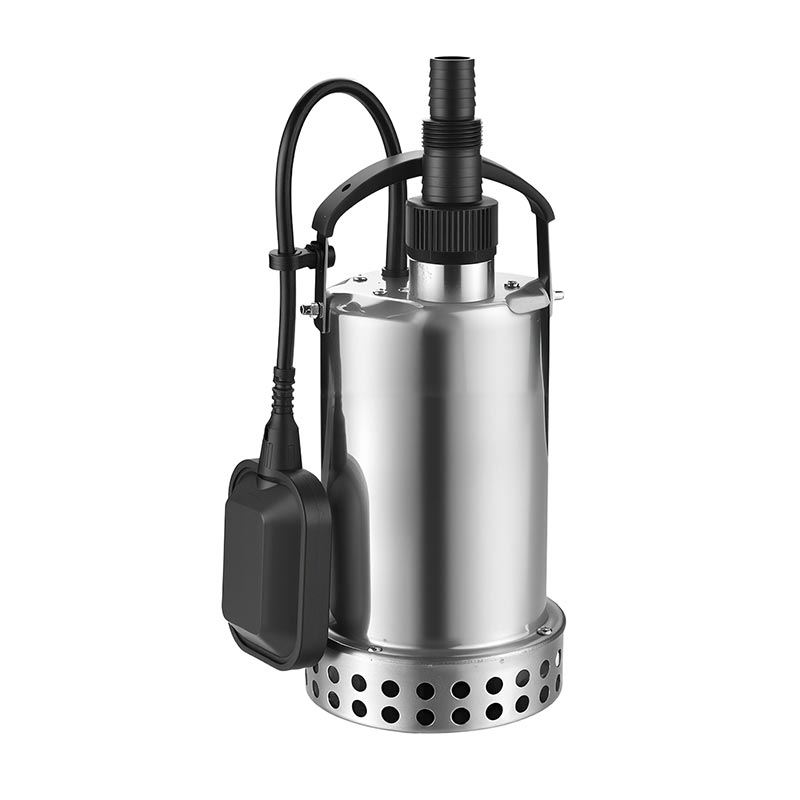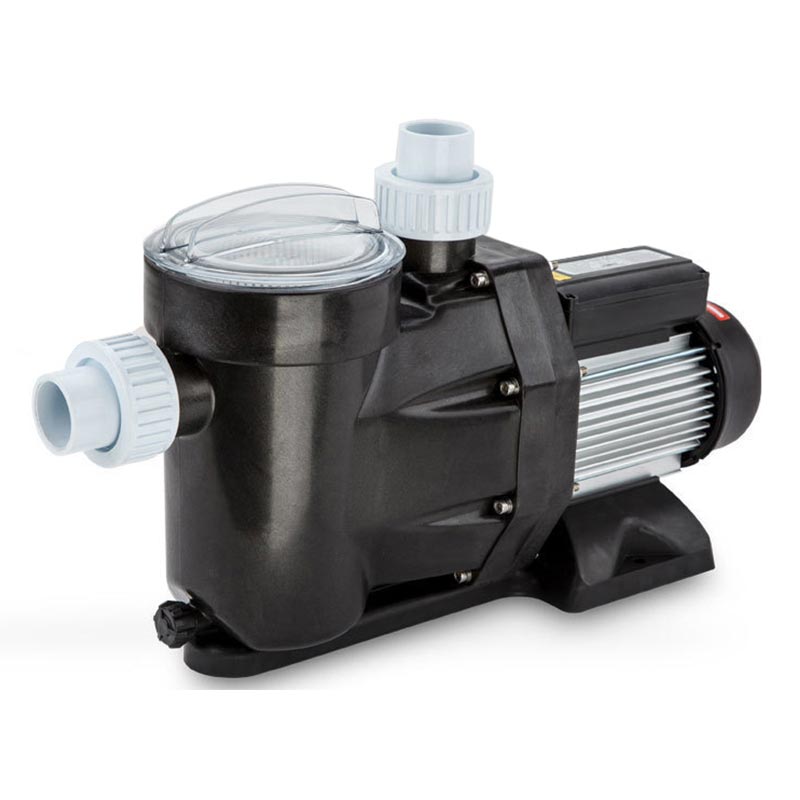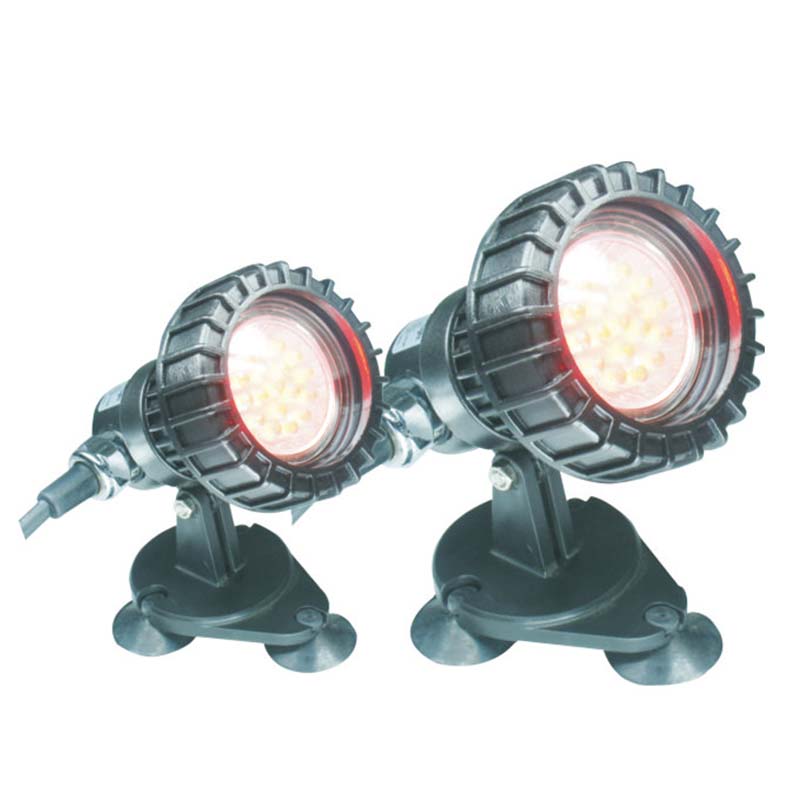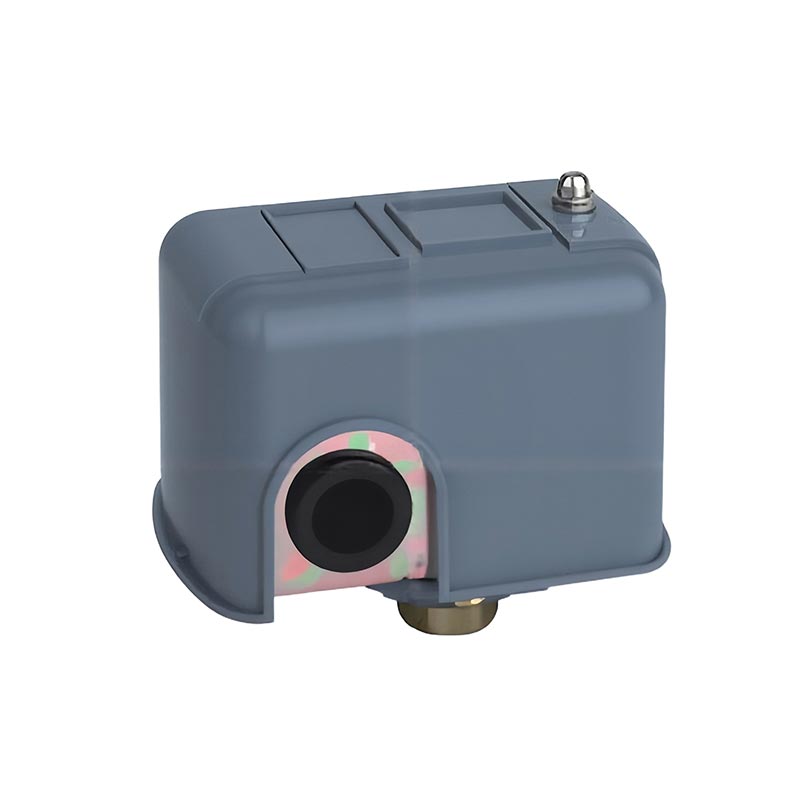
A pressure switch is one of the most fundamental yet often overlooked components in fluid control and automation systems. It is an electromechanical or electronic device that monitors fluid or gas pressure within a system and triggers an electrical signal when the pressure reaches a predetermined set point. Whether the application involves water supply, compressed air, hydraulic circuits, or industrial machinery, pressure switches serve as the intelligent guardians that keep systems operating safely and efficiently. At Ningbo TRUPOW Industrial Trade Co.,Ltd., our pressure switches are engineered to meet the exacting demands of both residential and heavy-duty industrial environments, forming a critical part of our comprehensive Pump Accessories product range.
Understanding how pressure switches work, how they are selected, and how they integrate into broader systems is essential knowledge for engineers, procurement specialists, and facility managers alike. This guide walks through everything you need to know, from the basic operating principle to product specifications, installation considerations, and the role pressure switches play as indispensable Pump Accessories in modern fluid management. Our factory has spent years refining these products to deliver maximum reliability and long service life across diverse global applications.
At the core of every pressure switch is a simple but elegant principle: mechanical force generated by fluid or gas pressure is used to actuate an electrical switch. When fluid enters the pressure port, it pushes against a sensing element, most commonly a diaphragm, piston, or Bourdon tube. As pressure builds, the sensing element deflects until it reaches the force threshold set by an internal spring mechanism. At that point, the movement trips a set of electrical contacts, opening or closing a circuit depending on the switch's configuration.
This binary electrical output, either an open circuit or a closed circuit, is then used to trigger downstream actions. In a residential water pump system, for example, a rising pressure caused by tank pressurization causes the switch to cut power to the pump motor, preventing over-pressurization. When pressure drops as water is consumed, the spring returns the contacts to their original state and the pump restarts. This automatic cycle is repeated thousands of times over the service life of the product, making mechanical robustness a non-negotiable requirement.
Our factory builds the sensing diaphragm from materials chosen specifically for compatibility with the target media. Options include:
The electrical contacts are typically rated by their load capacity and switching cycle endurance. Gold-plated contacts are used in low-current signal circuits where oxidation resistance is paramount, while silver-alloy contacts are chosen for higher-current motor control circuits. The contact arrangement, either normally open (NO), normally closed (NC), or changeover (CO), must match the control logic of the target system.
Modern pressure switches from TRUPOW also incorporate sealed housings with IP65 or IP67 ratings, ensuring that moisture, dust, and industrial contaminants cannot compromise internal components. This attention to environmental protection is what separates a long-lasting industrial component from a product that fails prematurely in demanding field conditions.
Pressure switches are not a one-size-fits-all product. The industry has developed several distinct designs, each optimized for specific pressure ranges, media types, and application environments. Knowing which type suits your system is the first step toward a reliable installation.
These are the traditional and most widely used variety. A mechanical sensing element directly actuates a snap-action electrical switch. They are robust, cost-effective, and suitable for a broad range of industrial and commercial applications. Our Pump Accessories line includes electromechanical pressure switches designed for pressure ranges from 0.5 bar up to 25 bar.
These devices use a piezoelectric or ceramic pressure sensor combined with an integrated circuit to detect pressure changes and generate an electronic switching signal. They offer superior precision, no moving parts, and are ideal for applications where switching repeatability and long service life under frequent cycling are critical.
Rather than measuring absolute or gauge pressure, differential pressure switches respond to the difference in pressure between two points in a system. They are widely used in filter monitoring, flow detection, and HVAC applications where a rising pressure differential signals a blocked filter or restricted flow path.
Designed to operate below atmospheric pressure, vacuum switches are used in suction systems, vacuum packaging equipment, and medical devices. They require a sensing element capable of responding accurately to negative gauge pressures without mechanical failure.
The table below summarizes the key characteristics of each type:
| Type | Sensing Method | Typical Pressure Range | Best Application | Key Advantage |
| Electromechanical | Diaphragm / Piston | 0.5 - 25 bar | Pumps, compressors, HVAC | Low cost, high reliability |
| Electronic / Solid-State | Piezoelectric sensor | 0.1 - 600 bar | Precision industrial control | High repeatability, no wear |
| Differential | Dual-port diaphragm | 0 - 10 bar differential | Filter monitoring, flow detection | Measures pressure difference |
| Vacuum | Capsule / Bellows | -1 to 0 bar | Suction systems, packaging | Operates below atmosphere |
When evaluating pressure switches for procurement or system design, the product datasheet tells only part of the story. Understanding what each specification actually means in practice, and how it impacts system performance, is what separates an informed decision from a costly mistake. Below are the most critical parameters to evaluate, along with guidance on what values to look for in different applications.
The set point is the pressure value at which the switch actuates. The differential (also called hysteresis) is the difference between the cut-in and cut-out pressures. A properly configured differential prevents rapid switching cycles (short-cycling) that can damage pump motors and reduce component life.
Expressed as maximum voltage and current the contacts can safely switch. Motor loads require a higher rating than resistive loads due to inrush current. Always derate contacts by at least 20% when switching inductive loads such as motor contactors or solenoid valves.
Defines resistance to solid particles and water. IP65 is suitable for most industrial environments. IP67 or IP68 is required for submersible or outdoor installations exposed to rain and wash-down.
Our complete product specification table for the standard Pump Accessories pressure switch series from Ningbo TRUPOW Industrial Trade Co.,Ltd. is provided below:
| Parameter | Specification |
| Pressure Range (Adjustable) | 1 - 10 bar / 2 - 16 bar / 4 - 25 bar (model dependent) |
| Factory Default Set Point | Cut-in: 1.4 bar / Cut-out: 2.8 bar (standard model) |
| Differential Range | 0.5 - 3.5 bar (adjustable via secondary spring) |
| Electrical Rating | 16A / 250VAC; 10A / 380VAC |
| Contact Configuration | 1NO + 1NC (SPDT) |
| Diaphragm Material | NBR standard; EPDM / SS optional |
| Housing Material | Glass-filled nylon PA66; optional die-cast zinc |
| Port Connection | 1/4 inch BSP or NPT male (other sizes on request) |
| Ingress Protection | IP44 standard; IP65 optional |
| Operating Temperature | -10 degrees C to +60 degrees C |
| Media Temperature | Max +70 degrees C |
| Mechanical Life | Greater than 500,000 switching cycles |
| Certifications | CE, RoHS, NSF/ANSI 61 (potable water models) |
| Weight | Approx. 185g |
The versatility of the pressure switch is one reason it has become a standard component across so many industries. From the smallest domestic water booster pump to a multi-stage industrial compressor bank, these devices play a foundational role in automated pressure management. Our factory supplies Pump Accessories including pressure switches to customers across more than 40 countries, giving us deep insight into the widest possible range of real-world applications.
This is the most widespread application globally. Pressure switches control the start and stop of water pump motors in residential, commercial, and agricultural settings. When correctly configured, they maintain consistent water pressure within the distribution system without requiring constant manual intervention. Key requirements for this application include:
Air compressors rely on pressure switches to cycle the compressor motor between a loaded and unloaded state, maintaining the receiver tank within a defined pressure band. High-cycle-life contacts are essential here because compressors in busy workshops or production facilities may cycle dozens of times per hour.
In hydraulic systems, pressure switches are used to signal when a circuit has reached its target operating pressure, triggering the next step in an automated sequence. They also serve as safety interlocks, shutting down the hydraulic power unit if pressure drops below a minimum threshold that could indicate a leak or pump failure.
Both high-pressure and low-pressure switches protect refrigerant circuits from operating outside safe pressure limits. A high-pressure switch trips the compressor if discharge pressure exceeds a safe maximum, while a low-pressure switch prevents operation when refrigerant charge is insufficient.
Pressure switches in fire suppression systems detect a drop in system pressure caused by a sprinkler head activating, triggering an alarm signal and starting jockey or main fire pumps. Reliability and response speed are absolutely critical in this life-safety application.
Choosing a pressure switch is not simply a matter of matching the pressure range. A systematic selection process considers the media, the electrical load, the environment, the required precision, and the total cost of ownership over the product's service life. The following checklist represents the methodology our engineering team at Ningbo TRUPOW Industrial Trade Co.,Ltd. recommends to customers when specifying pressure switches for new installations or replacements.
The table below provides a quick-reference guide mapping common applications to the recommended product parameters:
| Application | Recommended Pressure Range | Contact Rating | IP Rating | Diaphragm Material |
| Domestic water pump | 1 - 10 bar | 16A / 250VAC | IP44 | EPDM (potable water) |
| Industrial air compressor | 4 - 16 bar | 16A / 250VAC | IP65 | NBR |
| Hydraulic power unit | 10 - 250 bar | 10A / 250VAC | IP65 | Stainless steel |
| Refrigeration circuit | 0 - 30 bar | 8A / 250VAC | IP44 | NBR |
| Chemical processing | 0 - 25 bar | 6A / 250VAC | IP67 | PTFE-coated |
Even the highest-quality pressure switch will underperform or fail prematurely if it is installed incorrectly. Installation practices directly affect measurement accuracy, switching repeatability, and component longevity. The following guidance is drawn from the installation instructions provided with all Pump Accessories products from our factory and reflects the most common issues encountered in the field.
Most electromechanical pressure switches feature two adjustable spring mechanisms: a large spring that controls the cut-out (high) set point, and a smaller spring that controls the differential. Adjustment should be performed with the system pressurized and a calibrated pressure gauge installed close to the switch port. Increase the large spring tension to raise the cut-out point; increase the small spring tension to widen the differential. Always verify the final set points through at least three complete on-off cycles before leaving the installation.
Q1: What is the difference between a pressure switch and a pressure sensor?
A pressure switch provides a discrete electrical output, either on or off, when pressure crosses a defined set point. It does not communicate the actual pressure value to a controller. A pressure sensor (also called a pressure transducer) generates a continuous analog or digital signal proportional to the measured pressure, allowing a PLC or control system to monitor pressure in real time and make proportional control decisions. Pressure switches are used where simple on-off control is sufficient and cost-effective. Pressure sensors are used where continuous monitoring, data logging, or proportional control is required. In many modern systems, both devices work together: a pressure sensor provides monitoring and feedback, while a dedicated pressure switch provides a hardwired safety interlock independent of the control system software.
Q2: Why does my pressure switch keep cycling on and off rapidly?
Rapid on-off cycling, commonly called short-cycling, is almost always caused by one of three conditions: an insufficient pressure differential setting, a waterlogged pressure tank, or a leak in the system. If the differential between the cut-in and cut-out set points is too narrow, even small natural pressure fluctuations will cause the switch to trip repeatedly. A waterlogged pressure tank (where the air pre-charge has been lost) means the tank provides almost no pressure buffering, causing pressure to swing dramatically with every pump start or stop. A system leak means pressure continuously drops after the pump stops, triggering an immediate restart. Diagnose by first checking the pressure tank air pre-charge with a tyre gauge when the system is depressurized. If the pre-charge is correct, increase the switch differential slightly. If short-cycling persists, perform a systematic leak test on all connections and components.
Q3: How do I adjust the cut-in and cut-out pressure on a standard pump pressure switch?
On a standard electromechanical pump pressure switch, the cut-out (high) pressure is adjusted using the large spring nut located under the switch cover, and the differential (the gap between cut-in and cut-out) is adjusted using the smaller spring nut. Turning the large nut clockwise raises both the cut-in and cut-out pressures together, maintaining the existing differential. Turning the small nut clockwise widens the differential by lowering the cut-in pressure while leaving the cut-out pressure unchanged. Always make adjustments in small increments, one half-turn at a time, and allow the system to complete a full cycle before evaluating the result. A calibrated pressure gauge installed at the pump outlet is essential for accurate adjustment. Record final settings in the system maintenance log. Refer to the product-specific instruction sheet supplied with all Pump Accessories from Ningbo TRUPOW Industrial Trade Co.,Ltd. for model-specific adjustment procedures.
Q4: What causes a pressure switch to fail, and how can I extend its service life?
The most common causes of pressure switch failure are contact wear from excessive switching cycles, diaphragm fatigue or chemical attack from incompatible media, moisture ingress into the electrical housing, and mechanical damage from over-pressure events or water hammer. Service life can be extended through several practical measures: install a water hammer arrestor upstream of the switch to absorb pressure spikes; fit an inline strainer to protect the sensing port from particulate contamination; verify that the switch IP rating is appropriate for the installation environment; use a contactor or relay to isolate the switch contacts from heavy inductive loads rather than switching motor circuits directly; and schedule annual inspection of contact condition and diaphragm integrity as part of a preventive maintenance programme. Our factory designs our Pump Accessories pressure switches with reinforced diaphragms and silver-alloy contacts specifically to maximise mean time between failures in demanding continuous-duty applications.
Q5: Can a pressure switch be used with fluids other than water, such as oil or chemicals?
Yes, pressure switches can be used with a wide range of media, but the wetted materials must be carefully matched to the fluid's chemical properties, temperature, and viscosity. For hydraulic oil applications, NBR diaphragms and brass or stainless steel wetted parts are typically suitable. For aggressive chemicals such as acids, alkalis, or solvents, a PTFE-coated diaphragm combined with stainless steel wetted components provides the best resistance. For steam applications, a piston-type sensing element with high-temperature seals is required, and a siphon loop (pigtail) should be installed between the steam line and the switch port to protect the sensing element from direct steam contact. Always consult the media compatibility chart in the product datasheet before specifying a pressure switch for non-water applications. Ningbo TRUPOW Industrial Trade Co.,Ltd. offers material consultation support to help customers identify the correct diaphragm and housing material combination for their specific media and operating conditions.
A pressure switch is far more than a simple on-off device. It is the automated intelligence that keeps pumps, compressors, and hydraulic systems running safely and efficiently without constant human supervision. Selecting the right pressure switch, installing it correctly, and maintaining it proactively are the three pillars of reliable system performance. From the diaphragm material to the contact rating, every specification matters, and understanding those specifications is what allows engineers and facility managers to make confident procurement decisions.
As a manufacturer with deep expertise in Pump Accessories, Ningbo TRUPOW Industrial Trade Co.,Ltd. brings together materials engineering, electrical engineering, and application knowledge to produce pressure switches that perform consistently across the full range of global industrial and residential environments. Our products are tested to international standards, supported by comprehensive documentation, and backed by a responsive technical team ready to assist with application-specific questions.
Whether you are specifying a pressure switch for a new installation, replacing a failed unit, or looking to upgrade to a more reliable product, our factory has the product range and the application knowledge to support you every step of the way. Our Pump Accessories catalogue covers standard models for the most common applications as well as custom-engineered solutions for demanding or unusual operating conditions.
Contact Ningbo TRUPOW Industrial Trade Co.,Ltd. today to discuss your pressure switch requirements. Our technical sales team is ready to help you identify the right product from our extensive Pump Accessories range, provide detailed datasheets and certifications, and process your inquiry quickly and professionally.
We respond to all trade inquiries within 24 hours. Reach out to our factory today and let us show you why customers in over 40 countries trust Ningbo TRUPOW Industrial Trade Co.,Ltd. as their preferred source for Pump Accessories and fluid control components.
Phone: +86-574-87112185
Mobile: +86-13805879776
E-mail: sales@trupow.com
Address:Xiao Gang Industry Zone, Beilun District, Ningbo City, Zhejiang Province, China
Copyright © 2026 Ningbo TRUPOW Industrial Trade Co.,Ltd. All Rights Reserved.