Follow Us:

News

Functions and Roles of Garden Pumps

2026-01-23 0 Leave me a message

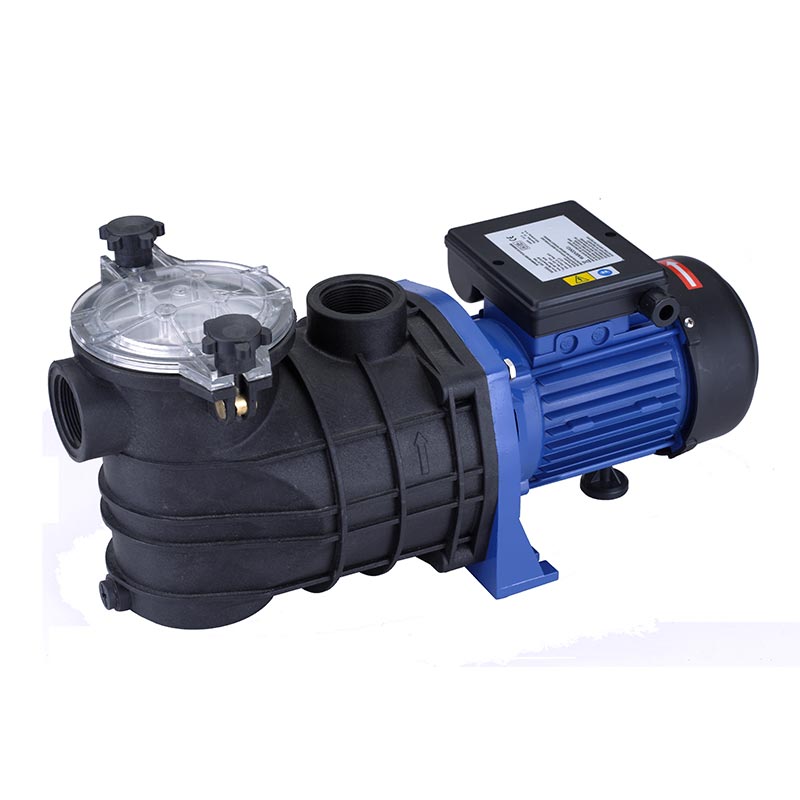
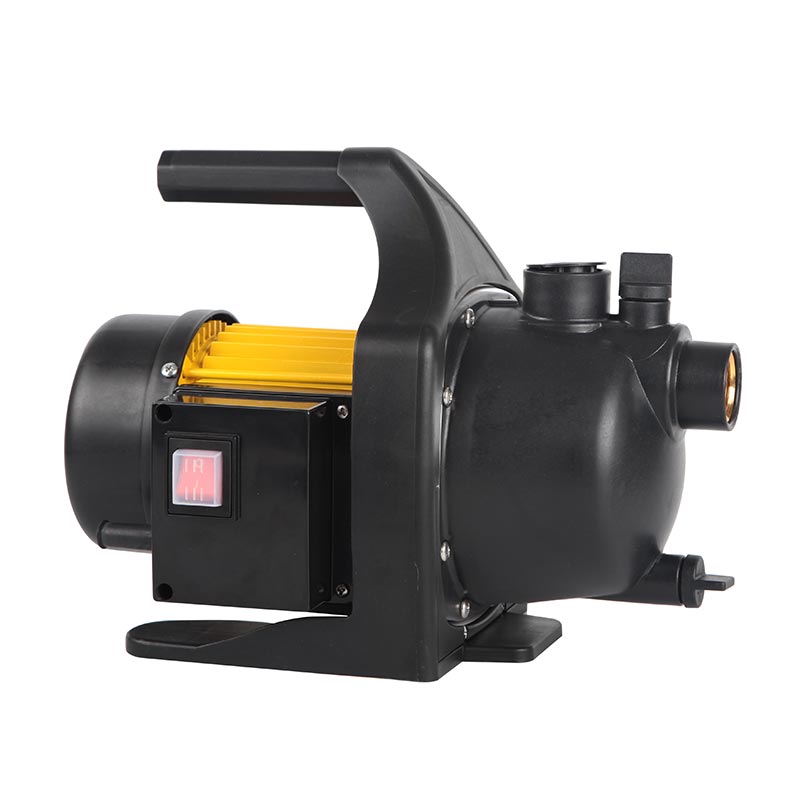
A garden pump is a versatile, typically centrifugal-style pump designed primarily for outdoor water management and irrigation tasks. Its core function is to move water from a source to a desired point of use, serving as a critical tool for efficient garden and property maintenance. Its roles can be broadly categorized into irrigation, water transfer, drainage, and feature support.


The primary and most common function is automated irrigation and watering. Garden pumps are the heart of sprinkler and drip irrigation systems. They draw water from a static source—such as a rainwater harvesting tank, pond, stream, or well—and provide the necessary pressure to distribute it evenly across lawns, flower beds, and vegetable patches through a network of hoses and emitters. This ensures deep, consistent watering that promotes plant health while conserving water compared to manual methods. They enable the use of oscillating or rotary sprinklers that require a minimum operating pressure to function effectively.


Secondly, garden pumps are essential for water transfer and supply. This involves moving large volumes of water from one location to another. Key tasks include filling ornamental ponds, swimming pools, or large water butts. Conversely, they can also be used to empty these features for cleaning or winterization. They are indispensable for drawing water from a natural source like a lake or creek for non-potable uses around the garden, such as washing patios, cars, or outdoor equipment.


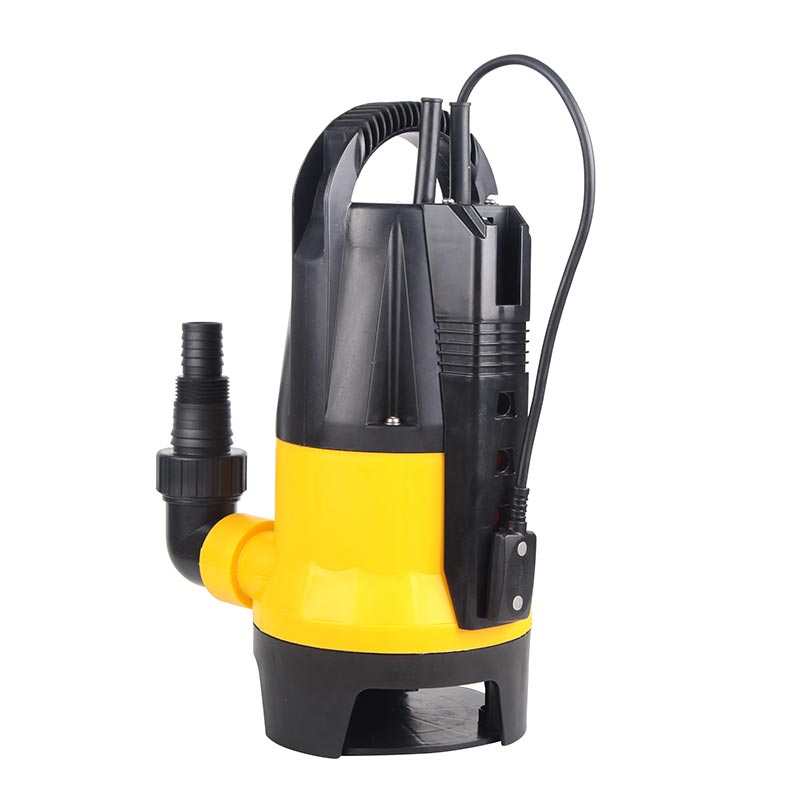
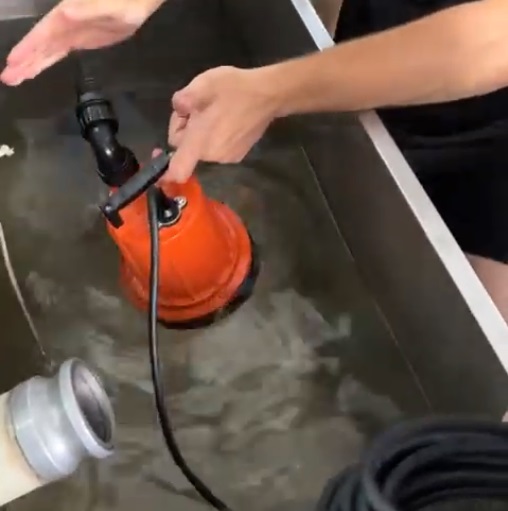
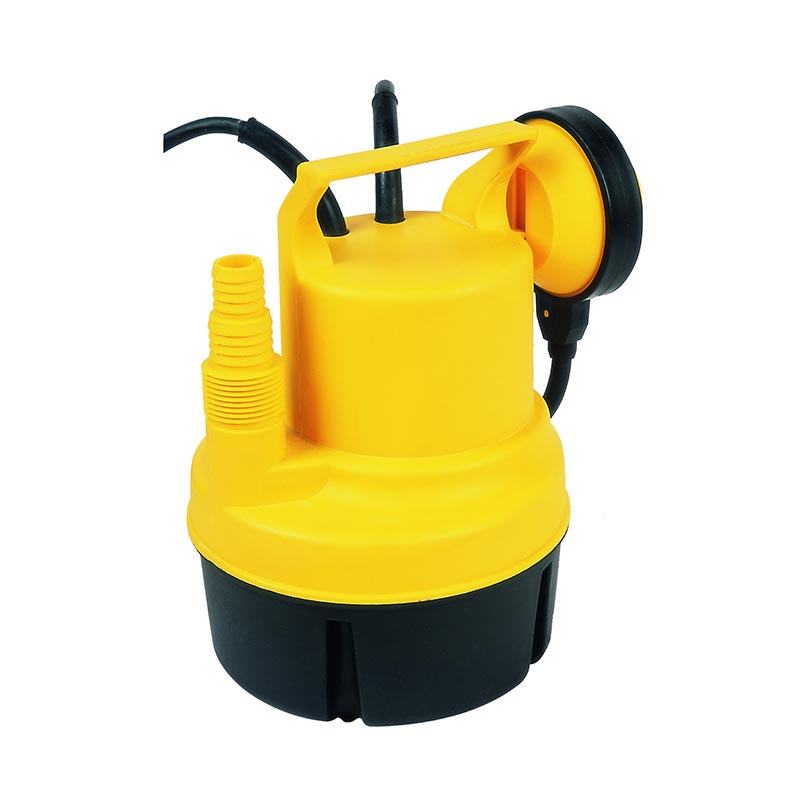
A closely related and vital function is drainage and flood prevention. Submersible-type garden pumps, often called drainage or dewatering pumps, are designed to remove unwanted accumulations of water. They are used to empty flooded basements, cellars, or sunken patios after heavy rainfall. They can also be employed to lower the water level in a pond for maintenance or to keep excavation sites dry. These pumps typically handle water with small solid particles, making them more robust for such demanding tasks.


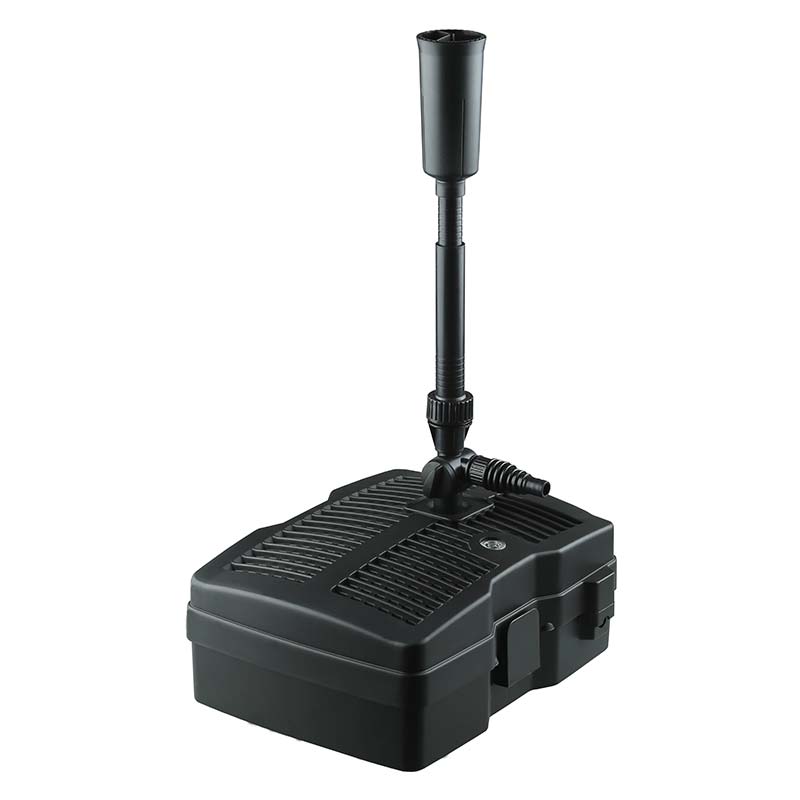
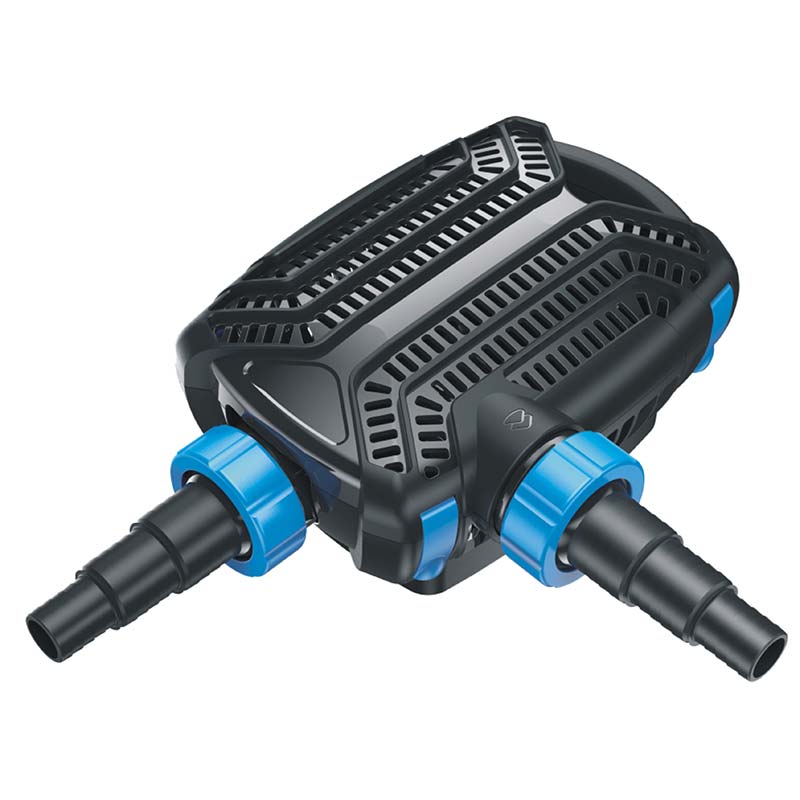
Furthermore, garden pumps power water features and aesthetic applications. They recirculate water in decorative ponds, fountains, and waterfalls. By pumping water from a reservoir or the base of a feature to its top outlet, they create continuous movement, sound, and visual interest. This circulation also helps aerate pond water, which is beneficial for fish and aquatic plants, preventing stagnation and algae overgrowth.


Finally, they play a role in general utility and system support. For households reliant on well water or stored rainwater for outdoor use, the garden pump pressurizes the system, allowing for on-demand water access from outdoor taps. They can also be used to boost low mains water pressure for specific outdoor tasks.


In summary, the garden pump is a multifunctional workhorse that extends far beyond simple watering. It is integral to efficient irrigation, practical water logistics, property protection from flooding, and the creation of beautiful, healthy garden ecosystems. By providing controlled water movement and pressure, it saves time, conserves resources, and enhances both the productivity and enjoyment of any outdoor space.

Related News
Leave me a message
X
We use cookies to offer you a better browsing experience, analyze site traffic and personalize content. By using this site, you agree to our use of cookies. Privacy Policy
Reject Accept