
Fuel nozzles are often overlooked components of fueling systems, yet their design, functionality, and maintenance play a crucial role in operational efficiency, safety, and cost management. In this article, we explore the types of fuel nozzles, their uses, benefits, common challenges, and best practices to ensure optimal performance.
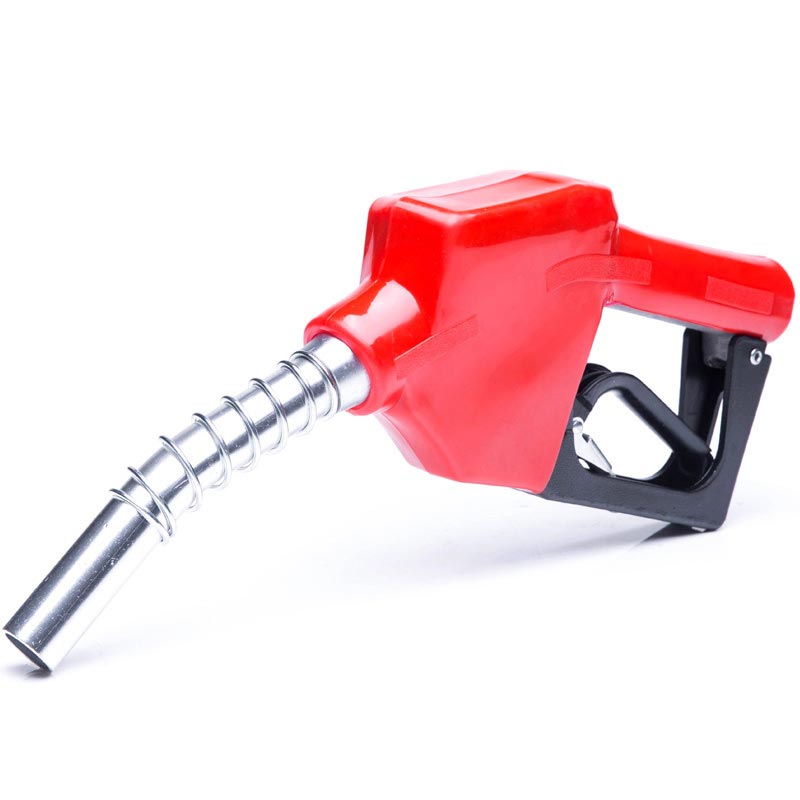
Table of Contents
- Introduction to Fuel Nozzles
- Types of Fuel Nozzles
- Design Features and Mechanisms
- Advantages of Using High-Quality Fuel Nozzles
- Common Issues and Troubleshooting
- Maintenance and Best Practices
- Industry Trends and Innovations
- FAQ About Fuel Nozzles
- Conclusion
Introduction to Fuel Nozzles
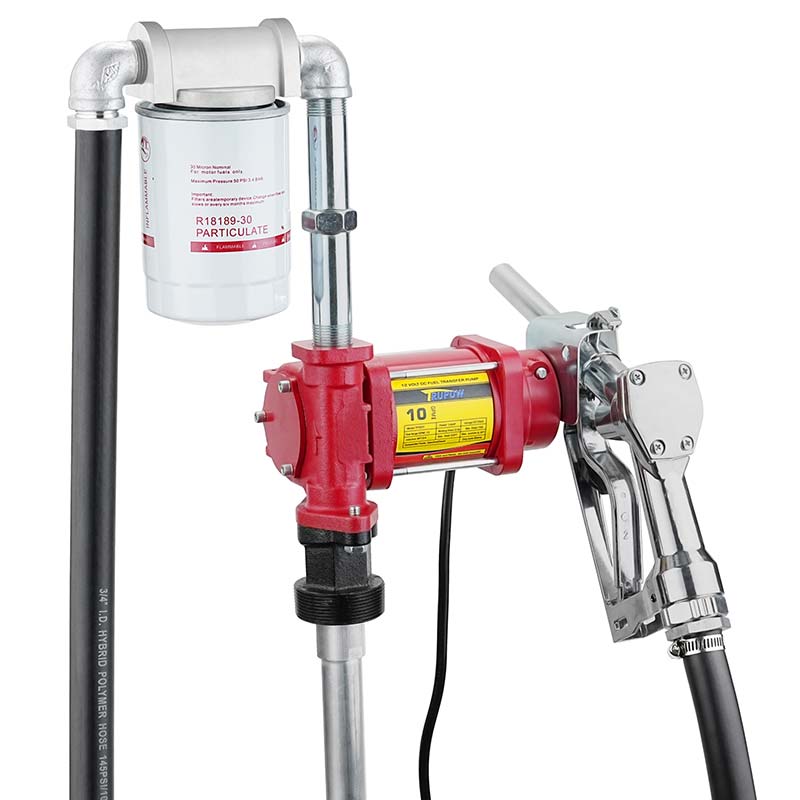
A fuel nozzle is a device designed to control the flow of fuel from a storage tank into a vehicle, machinery, or industrial system. Although it may seem simple, a fuel nozzle is critical in preventing spills, ensuring accurate fuel delivery, and maintaining safety standards. Without proper attention to nozzle performance, refueling operations can become inefficient, hazardous, and costly.
Fuel nozzles are used across multiple sectors including automotive, aviation, marine, and industrial machinery. Selecting the right nozzle depends on fuel type, flow rate, environmental conditions, and regulatory compliance.
Types of Fuel Nozzles
Fuel nozzles can be categorized based on several factors such as fuel type, application, and flow control mechanism.
- Automatic Shutoff Nozzles: These are widely used at fuel stations. They automatically stop fuel flow when the tank is full, preventing overfilling and spillage.
- Manual Nozzles: Requires operator control. Commonly used in industrial settings where precise control is necessary.
- High-Flow Nozzles: Designed for heavy-duty refueling tasks, such as trucks, aircraft, or industrial tanks.
- Vapor Recovery Nozzles: Capture fuel vapors during fueling to reduce environmental pollution.
| Type | Application | Key Benefit |
|---|---|---|
| Automatic Shutoff | Gas Stations, Fleet Refueling | Prevents overflow, improves safety |
| Manual | Industrial Machinery, Workshops | Precise fuel control |
| High-Flow | Aircraft, Trucks, Large Tanks | Faster fueling times |
| Vapor Recovery | Urban Fuel Stations | Reduces emissions |
Design Features and Mechanisms
The efficiency of a fuel nozzle depends on its engineering and materials. Key features include:
- Flow Control Valve: Regulates fuel flow to match tank capacity and minimize waste.
- Anti-Spill Technology: Prevents drips and leaks during fueling.
- Durable Materials: Stainless steel or aluminum alloy ensures long-lasting performance and resistance to corrosion.
- Ergonomic Handle: Reduces operator fatigue during repeated fueling tasks.
- Safety Lock: Prevents accidental fuel discharge.
These design elements ensure that fuel is delivered efficiently, safely, and with minimal environmental impact.
Advantages of Using High-Quality Fuel Nozzles
Investing in a reliable fuel nozzle provides multiple benefits:
- Enhanced Safety: Reduces the risk of spills, fires, and accidents.
- Improved Efficiency: Faster and more precise fuel transfer saves time.
- Cost Savings: Minimizes fuel loss due to leakage or spillage.
- Environmental Protection: Vapor recovery and drip prevention reduce pollution.
- Durability: Long-lasting materials reduce replacement frequency and maintenance costs.
Common Issues and Troubleshooting
Even high-quality fuel nozzles can encounter issues. Common problems include:
- Leaking Nozzle: Caused by worn seals or damaged components. Solution: Replace seals or the nozzle tip.
- Flow Restriction: Dirt or debris can block the nozzle. Solution: Regular cleaning and inspection.
- Automatic Shutoff Failure: Can result in overfilling. Solution: Check the venturi tube and clean or replace if necessary.
- Handle Sticking: Often due to corrosion or lack of lubrication. Solution: Lubricate pivot points and handle mechanism.
Maintenance and Best Practices
Proper maintenance ensures longevity and optimal performance:
- Inspect seals, hoses, and nozzle tips regularly.
- Clean internal and external components to prevent fuel residue buildup.
- Store nozzles in a dry, safe environment to prevent corrosion.
- Test automatic shutoff functions periodically.
- Replace worn components promptly to avoid fuel loss or accidents.
Following these practices minimizes downtime and maximizes operational efficiency.
Industry Trends and Innovations
The fuel nozzle industry is evolving to meet stricter environmental regulations and higher efficiency demands. Some trends include:
- Smart Nozzles: Equipped with sensors to monitor flow rate, detect leaks, and communicate with fuel management systems.
- Lightweight Materials: Composite and aluminum alloys reduce nozzle weight without compromising strength.
- Enhanced Vapor Recovery: New designs capture up to 99% of harmful fuel vapors.
- Customizable Flow Rates: Nozzles tailored for specific fuels or vehicles improve precision and reduce waste.
FAQ About Fuel Nozzles
- Q1: How do I choose the right fuel nozzle?
- A: Consider fuel type, flow rate, application, and environmental requirements. Consult the manufacturer's specifications for compatibility.
- Q2: Can I repair a leaking nozzle?
- A: Minor leaks can be fixed by replacing seals or cleaning components. Severe damage may require a full replacement.
- Q3: How often should fuel nozzles be inspected?
- A: Conduct inspections every 3-6 months for high-use applications, or before critical refueling tasks.
- Q4: Are vapor recovery nozzles necessary?
- A: They are recommended in areas with strict environmental regulations to reduce emissions and improve safety.
Conclusion
Fuel nozzles may appear to be simple components, but their impact on safety, efficiency, and operational costs is significant. By understanding types, design features, advantages, and proper maintenance, businesses can ensure reliable and efficient fueling operations. Innovations such as smart sensors and advanced materials are shaping the future of fueling technology, making it safer and more environmentally friendly.
For high-quality fuel nozzles and professional support, Ningbo TRUPOW Industrial Trade Co.,Ltd. offers a range of solutions to meet your refueling needs. Contact us today to discuss your requirements and request a quote.