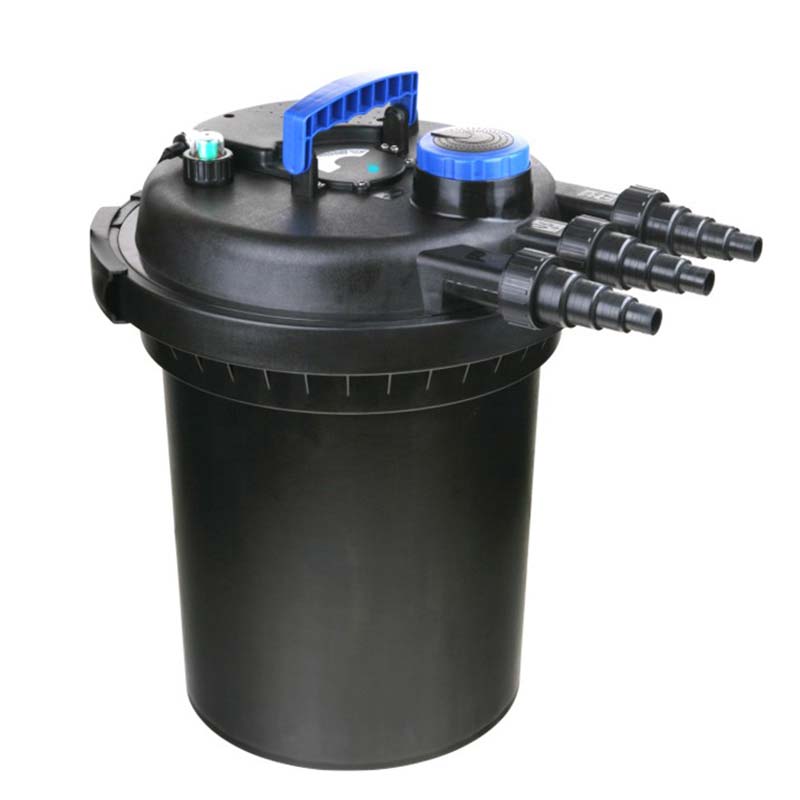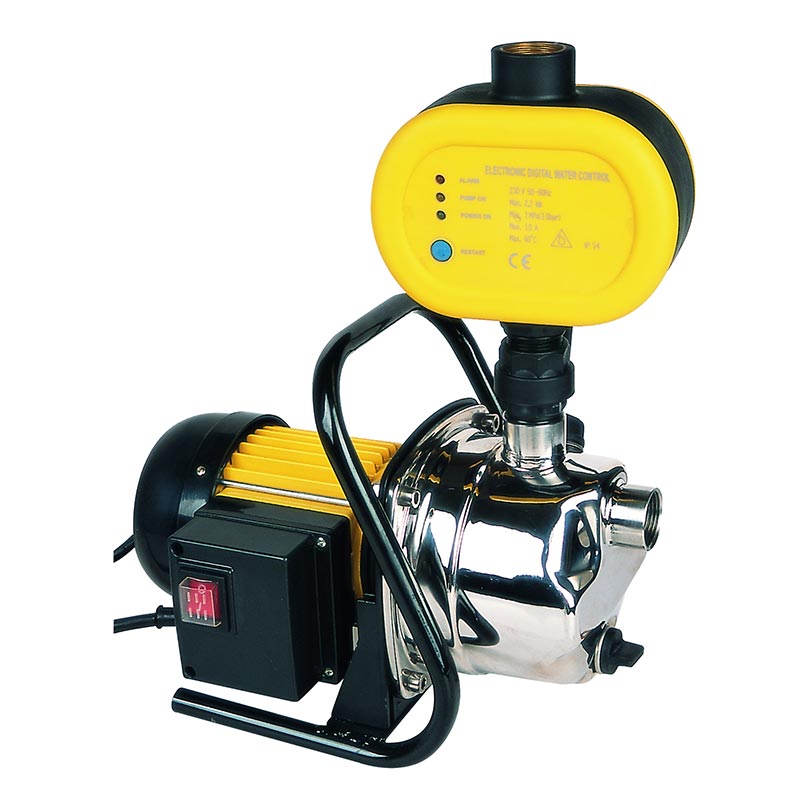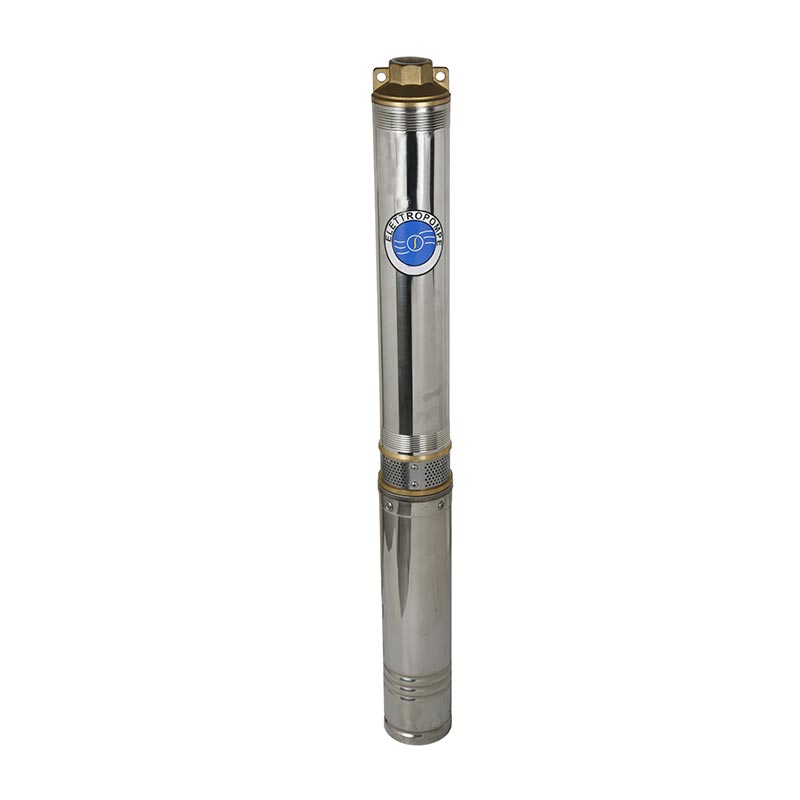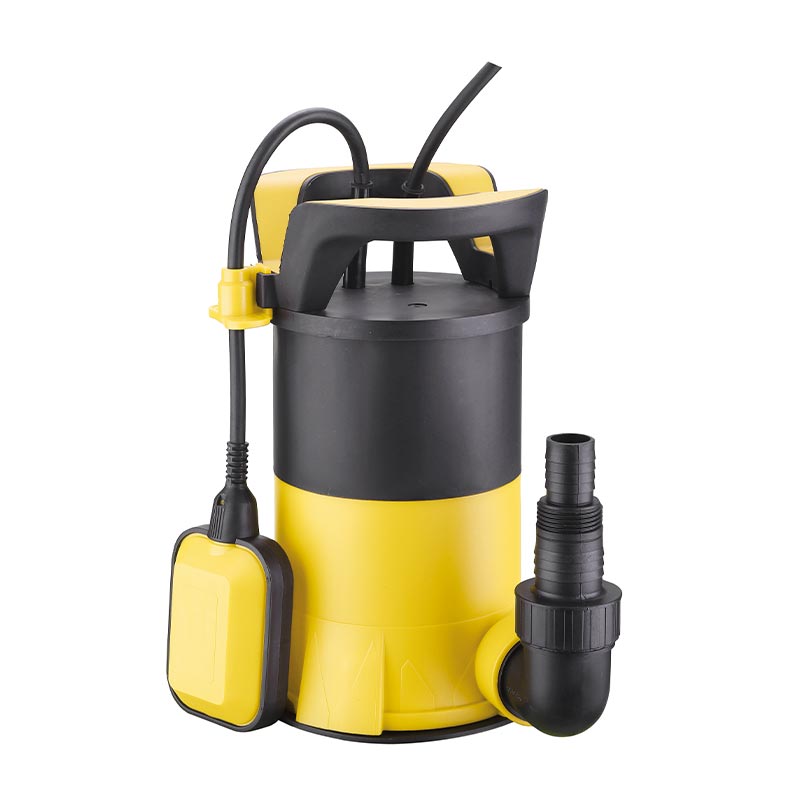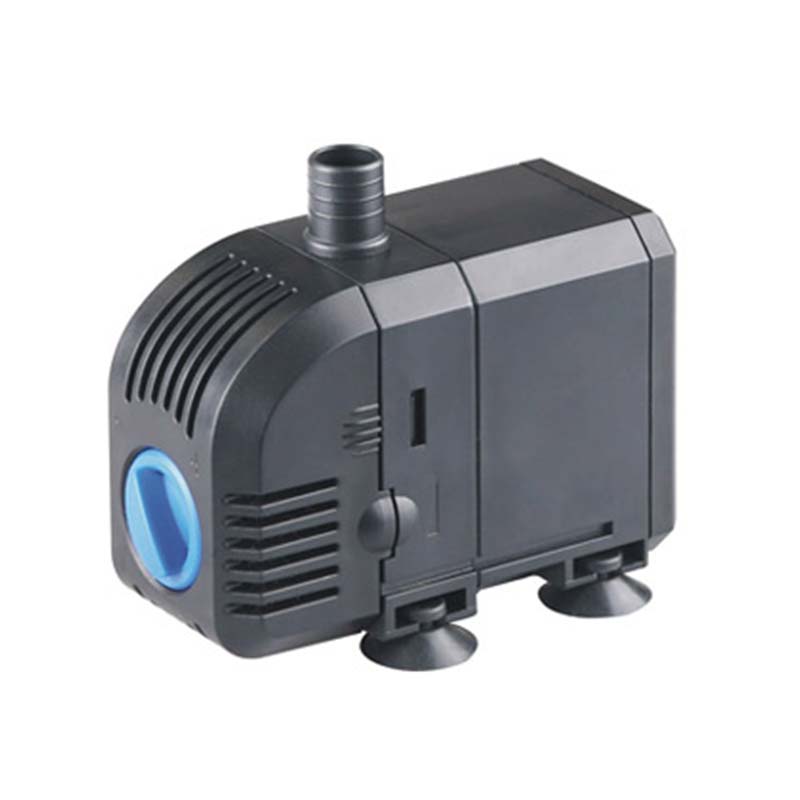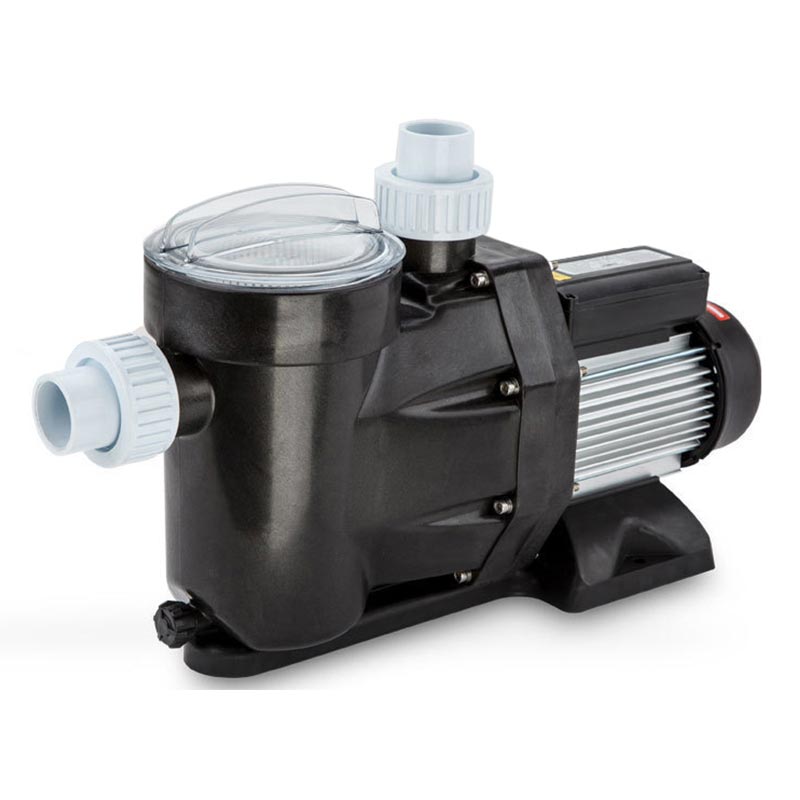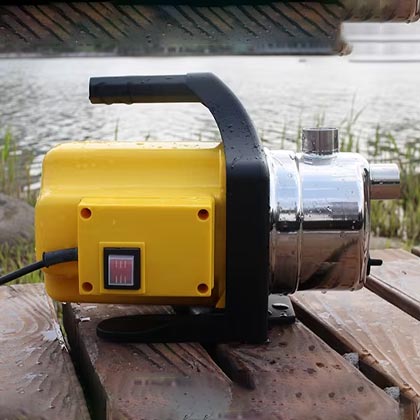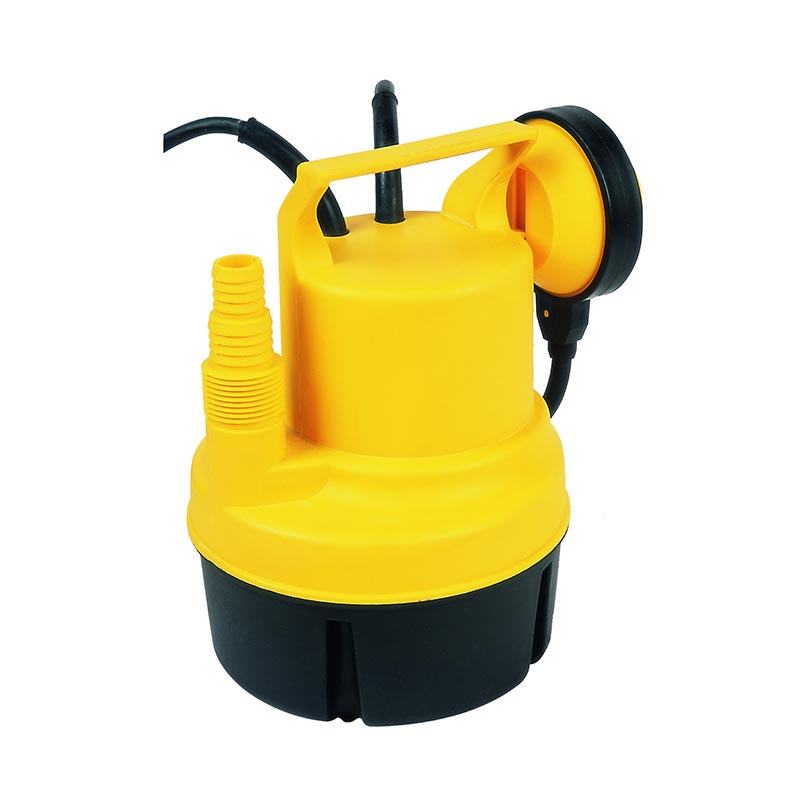
A pond is more than just a decorative water feature—it is a living ecosystem that requires balance, oxygenation, and continuous water purification. Without proper filtration, ponds quickly become cloudy, smelly, and unhealthy for fish and plants. A Pond Filter plays a critical role in maintaining clean, clear, and biologically stable water by removing debris, breaking down harmful substances, and supporting beneficial bacteria growth. This article explores everything you need to know about pond filtration systems, including how they work, why they are essential, how to choose the right system, and how to maintain long-term water clarity and ecological balance.
A pond is a delicate ecosystem where fish, plants, bacteria, and microorganisms coexist. When water quality declines, the entire system becomes unstable. Algae blooms, foul odors, and fish diseases are all common symptoms of poor filtration. A properly designed Pond Filter ensures that the water remains oxygen-rich, clean, and biologically balanced.
Whether you own a small garden pond or a large koi pond, filtration is not optional—it is essential for survival. Without it, waste accumulates rapidly, turning a beautiful water feature into a maintenance nightmare.
Ignoring filtration leads to several serious issues that affect both aesthetics and aquatic life. Below are the most common problems:
These issues do not appear overnight—they gradually worsen until the pond becomes unmanageable. A reliable filtration system prevents these problems at the source.
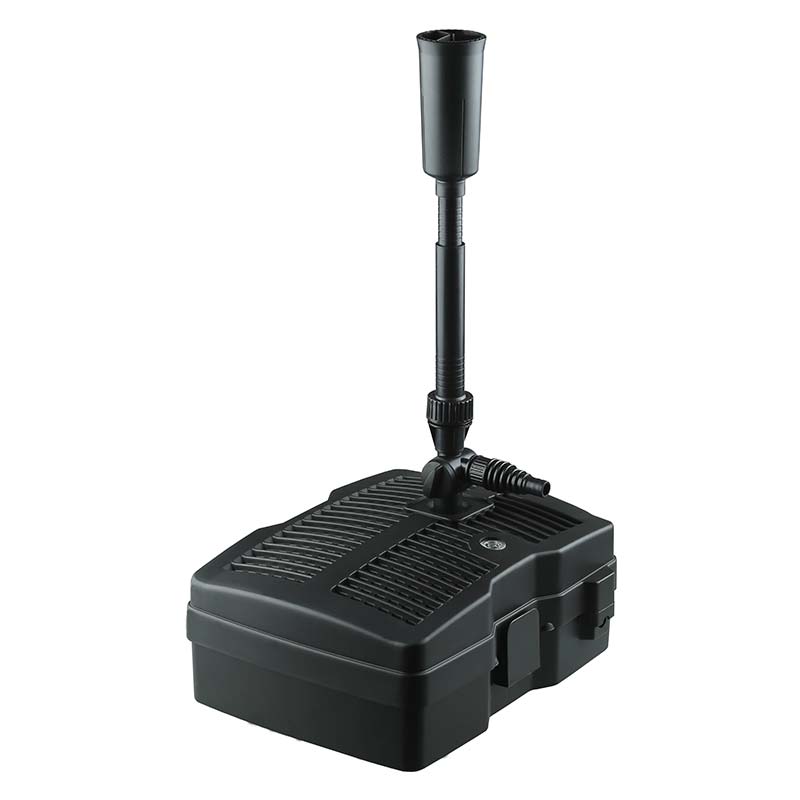
A pond filtration system typically operates in three stages: mechanical filtration, biological filtration, and sometimes chemical filtration.
Together, these processes create a self-sustaining cycle that keeps pond water clean and safe for aquatic life.
Different pond environments require different filtration systems. Below are the most commonly used types:
Each type serves a unique function, and in many cases, a combination of systems provides the best results.
Choosing the right filtration system depends on several key factors. Below is a practical guide to help you make an informed decision:
| Factor | What to Consider |
|---|---|
| Pond Size | Larger ponds require higher flow-rate filters |
| Fish Population | Koi ponds need stronger biological filtration |
| Sun Exposure | More sunlight increases algae growth risk |
| Water Features | Waterfalls require pressure-compatible systems |
| Maintenance Level | Some systems require more frequent cleaning |
A properly matched filter ensures efficiency and reduces long-term maintenance costs.
Installing a pond filtration system is straightforward when done correctly. Follow these steps:
Proper installation ensures maximum efficiency and reduces system strain.
Regular maintenance keeps your Pond Filter functioning at peak performance. Here are essential tips:
Consistent maintenance prevents system overload and extends equipment lifespan significantly.
Even the best filtration systems may encounter problems. Below are common issues and fixes:
Quick troubleshooting ensures pond stability and prevents long-term damage.
| Filter Type | Best For | Maintenance | Efficiency |
|---|---|---|---|
| Pressure Filter | Small ponds | Low | Medium |
| Gravity Filter | Large ponds | Medium | High |
| UV Filter | Algae control | Low | High |
| Bio Filter | Koi ponds | Medium | Very High |
Q1: How often should I clean my pond filter?
Most pond filters should be cleaned every 2–4 weeks depending on fish load and debris levels.
Q2: Can I run a pond without a filter?
Technically yes, but it requires very low fish density and constant manual maintenance, making it impractical for most users.
Q3: Do pond filters remove algae completely?
They significantly reduce algae, especially when combined with UV clarifiers, but complete elimination depends on ecosystem balance.
Q4: What size filter do I need?
A good rule is to choose a filter rated for at least 1.5–2 times your pond volume.
Q5: How long do pond filters last?
High-quality systems can last 5–10 years or more with proper maintenance.
A well-designed pond is a symbol of natural harmony, but maintaining that balance requires consistent filtration. A Pond Filter is not just equipment—it is the heart of a healthy aquatic ecosystem. By removing waste, supporting biological life, and stabilizing water quality, it ensures long-term clarity and fish health.
Whether you are building a new pond or upgrading an existing system, investing in the right filtration solution will dramatically improve water quality and reduce maintenance stress. Clean water means healthier fish, clearer views, and a more enjoyable outdoor space.
Ningbo TRUPOW Industrial Trade Co.,Ltd. specializes in high-quality water treatment and filtration solutions designed to meet diverse pond and aquatic system needs. Our products are engineered for durability, efficiency, and long-term performance in demanding environments.
If you are looking for reliable pond filtration systems or customized solutions for your project, contact us today to get professional support and product recommendations tailored to your needs.
Phone: +86-574-87112185
Mobile: +86-13805879776
E-mail: sales@trupow.com
Address:Xiao Gang Industry Zone, Beilun District, Ningbo City, Zhejiang Province, China
Copyright © 2026 Ningbo TRUPOW Industrial Trade Co.,Ltd. All Rights Reserved.