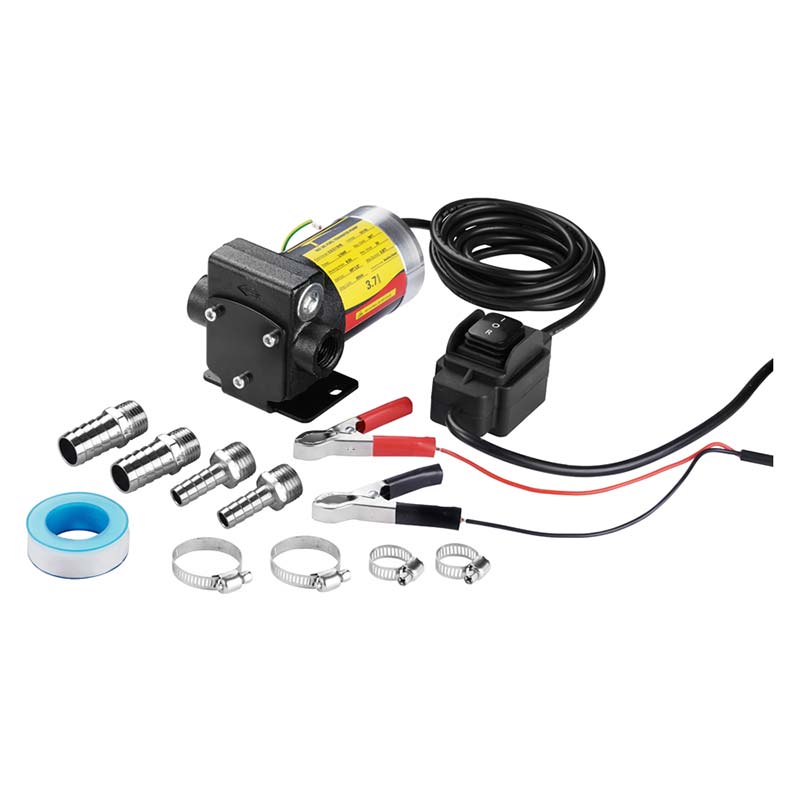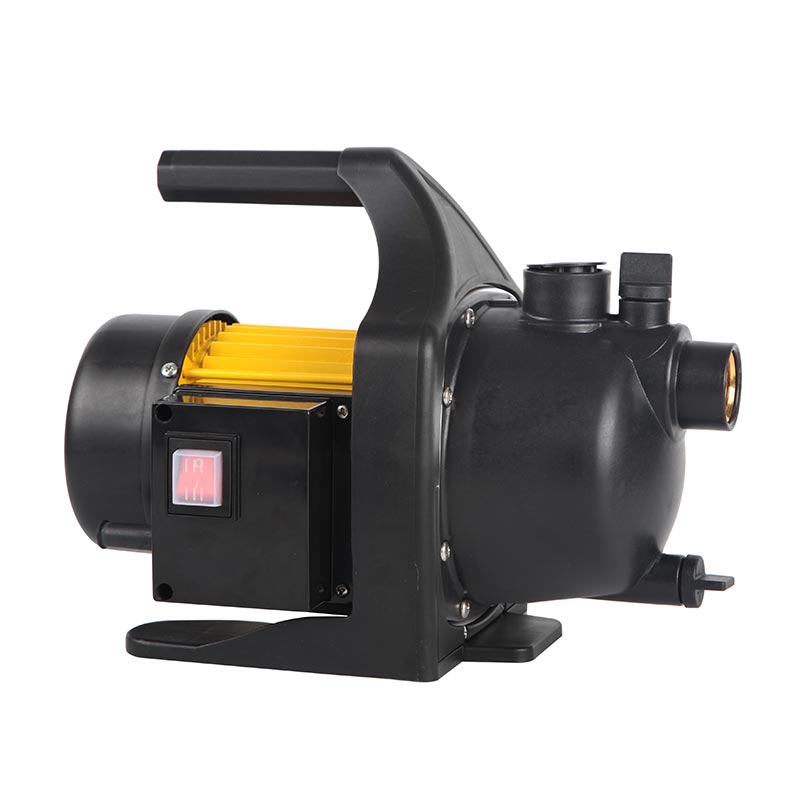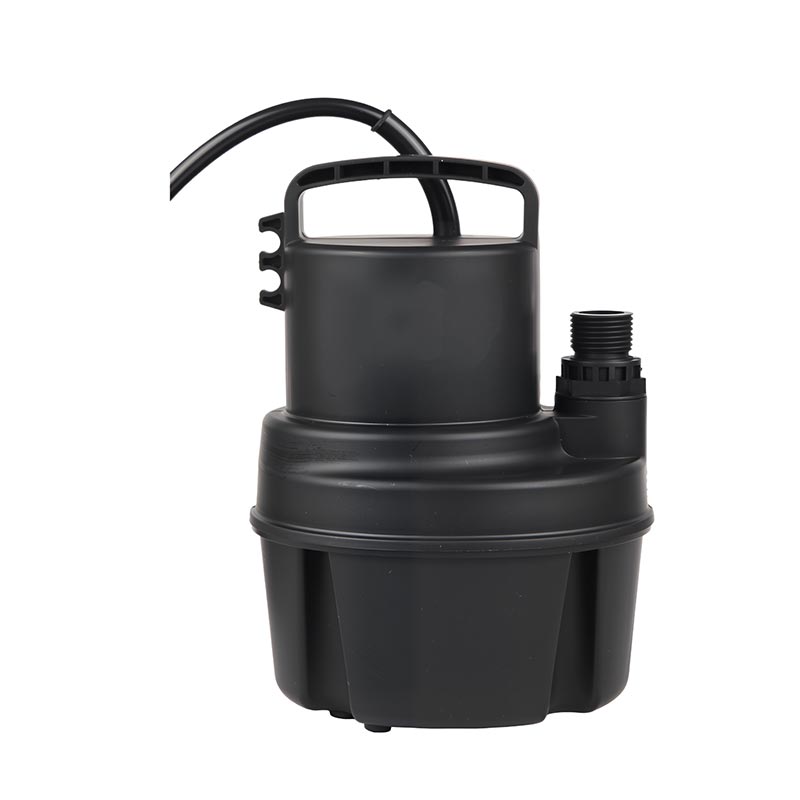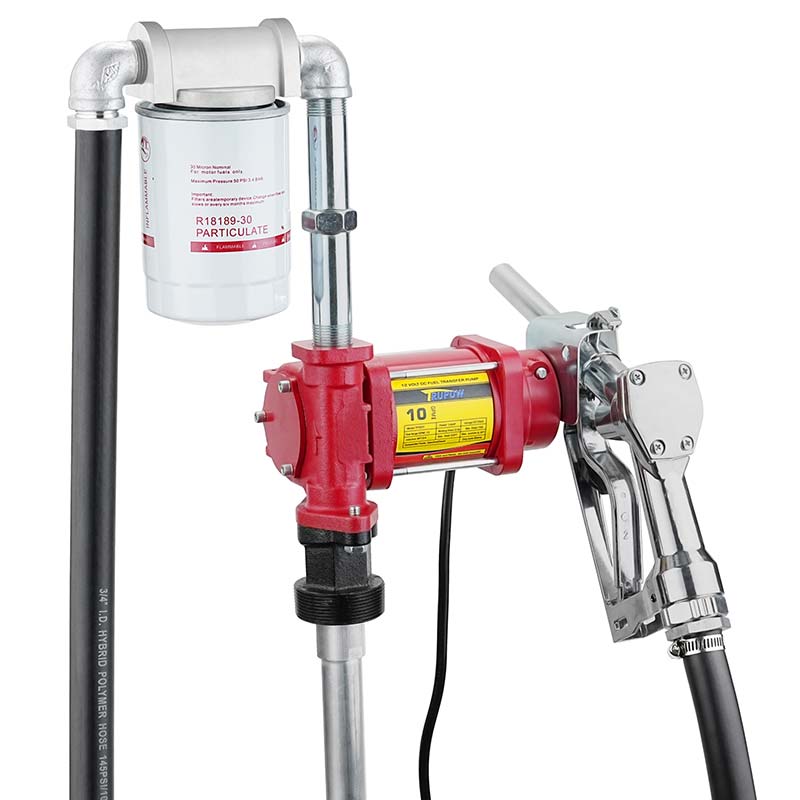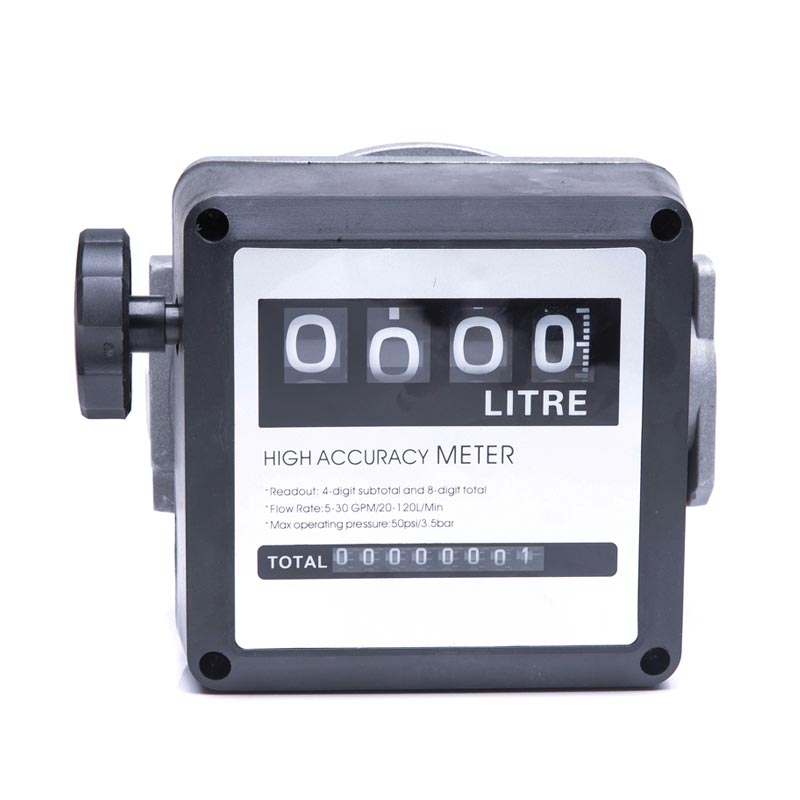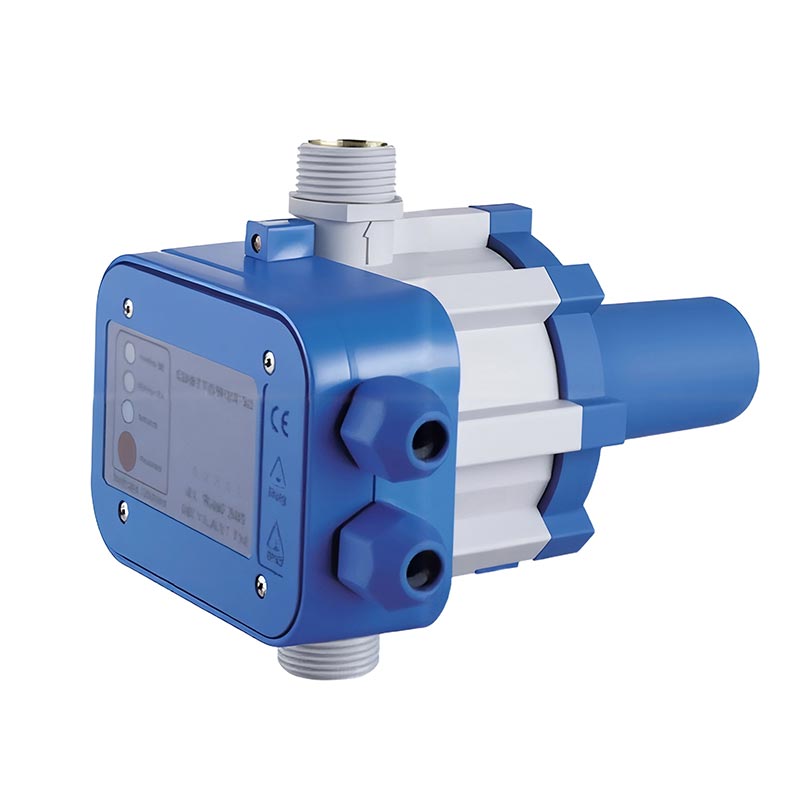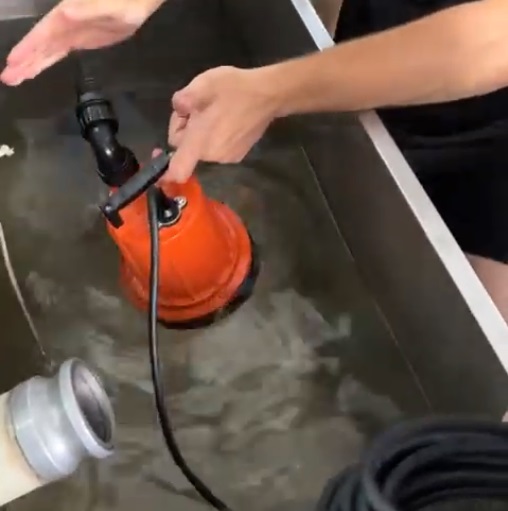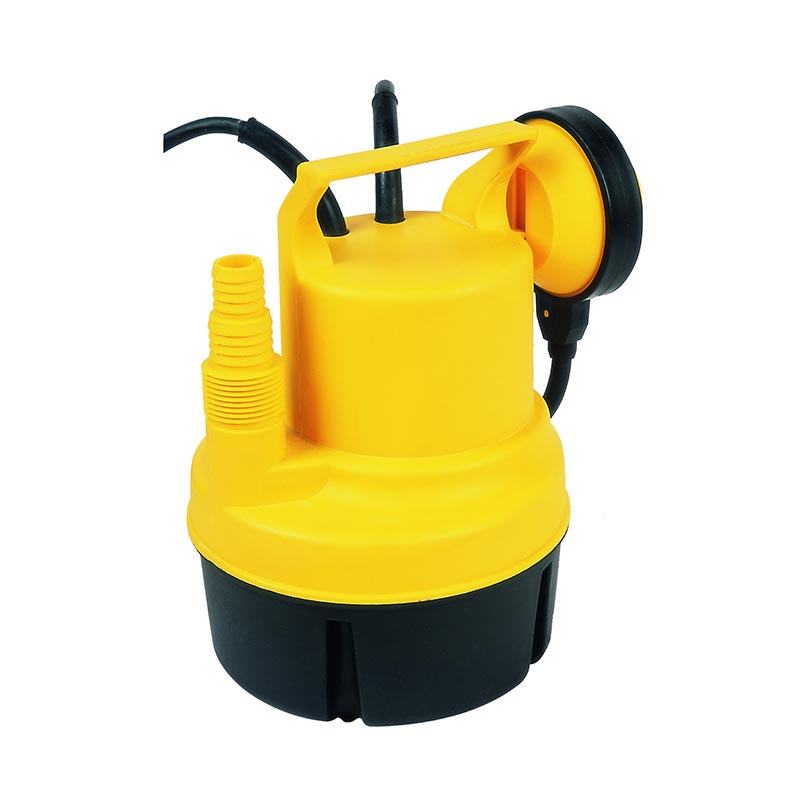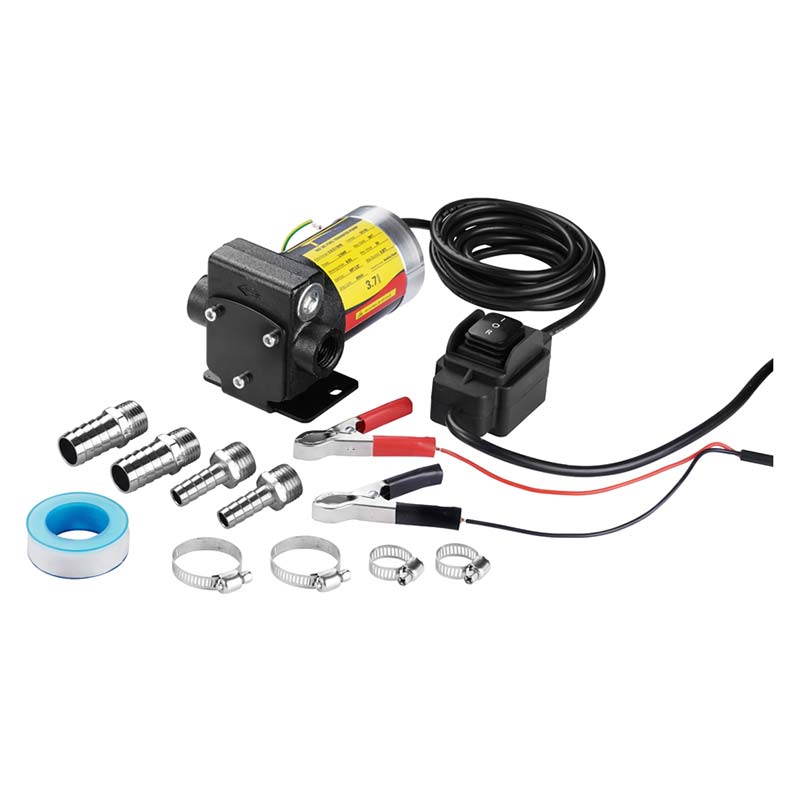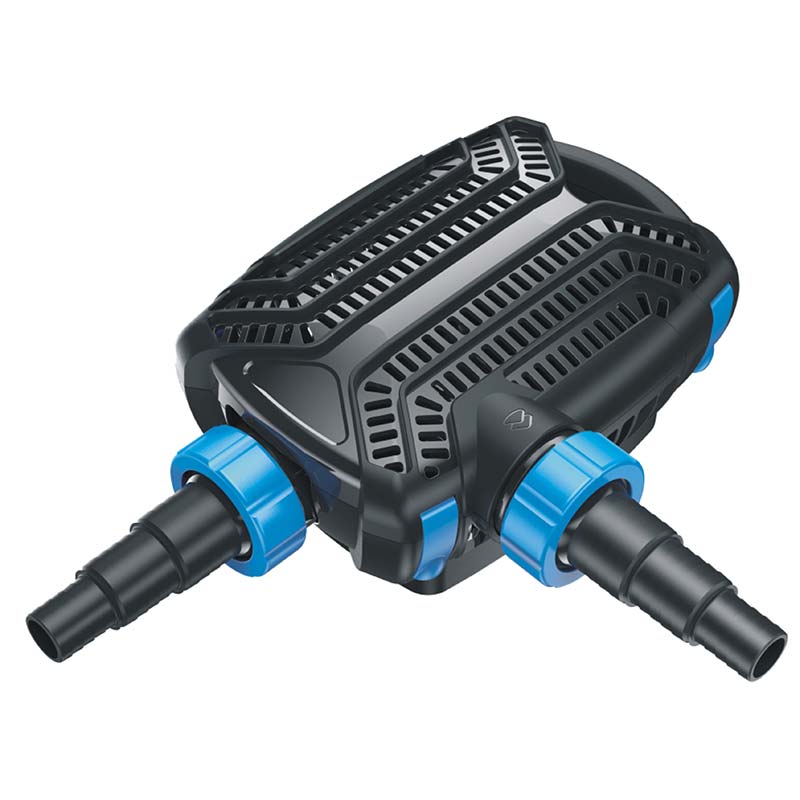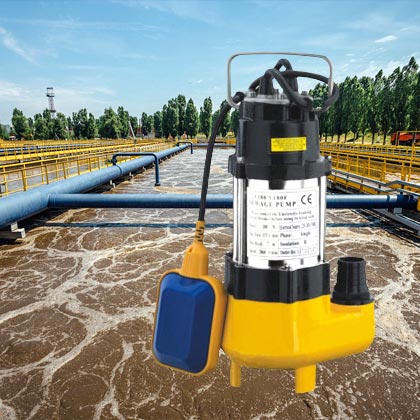
A gasoline transfer pump is a critical piece of equipment designed to move fuel safely, efficiently, and with minimal loss or risk. Whether used in agriculture, construction, marine operations, emergency backup systems, or industrial fuel management, this device plays a key role in ensuring that gasoline is transferred from one container to another without contamination, spillage, or hazardous exposure.
This article provides a comprehensive guide to understanding how gasoline transfer pumps work, their types, advantages, applications, and how to choose the right model based on real-world needs. It also addresses common operational challenges and maintenance practices to ensure long-term reliability and safety.
A gasoline transfer pump is a mechanical or electric device designed to move gasoline from storage containers such as drums, tanks, or underground reservoirs into vehicles, machinery, or portable fuel systems. It eliminates the need for manual pouring, reducing risks associated with fuel spills, vapor exposure, and contamination.
In modern fuel management systems, a gasoline transfer pump is not just a convenience tool—it is an essential safety component that helps maintain operational efficiency and environmental compliance.
The working principle of a gasoline transfer pump is based on creating pressure or suction to move liquid fuel through a controlled system of valves, hoses, and nozzles. Depending on the type, the pump may be powered manually, electrically, or pneumatically.
When activated, the pump draws gasoline from the source tank through an inlet hose. The internal mechanism—such as a rotary vane, diaphragm, or impeller—generates the force required to push the fuel through the discharge hose into the target container. Many modern systems include automatic shut-off features to prevent overfilling and improve safety.
A well-designed gasoline transfer pump ensures:
Different operational environments require different pump technologies. Below are the most common types used in industrial and commercial settings.
Each gasoline transfer pump type is engineered for specific performance requirements, making selection dependent on usage intensity, fuel volume, and working environment.
The use of a gasoline transfer pump significantly improves operational safety and efficiency across multiple industries. Its advantages go beyond simple fuel movement.
In high-demand environments, these benefits translate directly into improved productivity and lower operational risks.
Gasoline transfer pumps are widely used across multiple sectors where fuel handling is essential.
In each of these scenarios, the gasoline transfer pump ensures consistent fuel delivery while reducing downtime and manual labor.
Selecting the right gasoline transfer pump depends on several key factors. A mismatch between pump type and usage can lead to inefficiency or safety risks.
A properly selected pump improves long-term reliability and reduces maintenance costs significantly.
Regular maintenance ensures that a gasoline transfer pump operates efficiently and safely throughout its service life.
Safety should always be a top priority. Since gasoline is highly flammable, proper grounding and ventilation are essential during operation.
| Type | Power Source | Best Use Case | Advantages | Limitations |
|---|---|---|---|---|
| Manual Pump | Hand-operated | Small fuel transfer | Low cost, portable | Slow operation |
| Electric Pump | Electricity | Industrial use | High efficiency | Requires power supply |
| Battery Pump | Rechargeable battery | Remote locations | Highly portable | Limited runtime |
| Rotary Vane Pump | Electric/Motor | Continuous operations | Smooth flow | Higher cost |
What is the main purpose of a gasoline transfer pump?
It is designed to safely and efficiently move gasoline from one container to another while reducing manual handling risks.
Can a gasoline transfer pump be used for other fuels?
Some models can handle diesel or kerosene, but compatibility depends on material construction and manufacturer specifications.
How long does a gasoline transfer pump last?
With proper maintenance, a high-quality pump can last several years, even under frequent use.
Is it safe to use a gasoline transfer pump indoors?
It is generally not recommended unless proper ventilation and explosion-proof systems are in place.
What is the most common failure in gasoline transfer pumps?
Seal wear and clogging due to impurities in fuel are among the most common issues.
A gasoline transfer pump is an essential tool for modern fuel handling systems. Its ability to improve safety, reduce waste, and enhance efficiency makes it indispensable in both commercial and industrial environments. Choosing the right pump and maintaining it properly ensures long-term operational success and minimizes risks associated with fuel transfer.
As industries continue to prioritize safety and efficiency, the role of advanced gasoline transfer pump systems will only become more important in future fuel management solutions.
For high-quality industrial fuel handling solutions, including durable and efficient gasoline transfer pump systems, you can reach out to:
Ningbo TRUPOW Industrial Trade Co.,Ltd.
If you are looking for reliable products, technical support, or customized solutions, feel free to contact us to discuss your requirements and get professional assistance tailored to your business needs.
-
Phone: +86-574-87112185
Mobile: +86-13805879776
E-mail: sales@trupow.com
Address:Xiao Gang Industry Zone, Beilun District, Ningbo City, Zhejiang Province, China
Copyright © 2026 Ningbo TRUPOW Industrial Trade Co.,Ltd. All Rights Reserved.