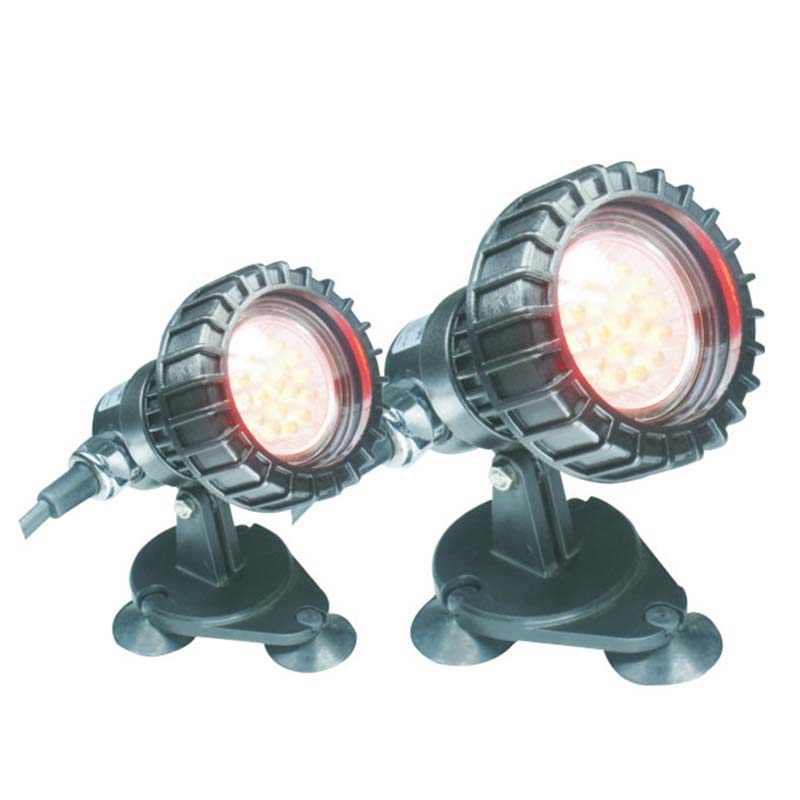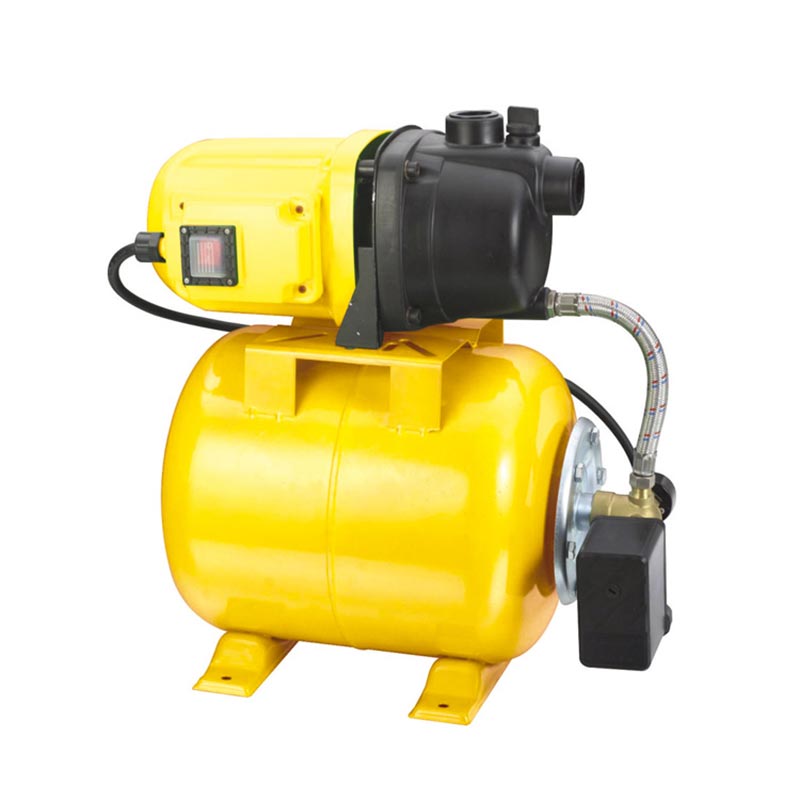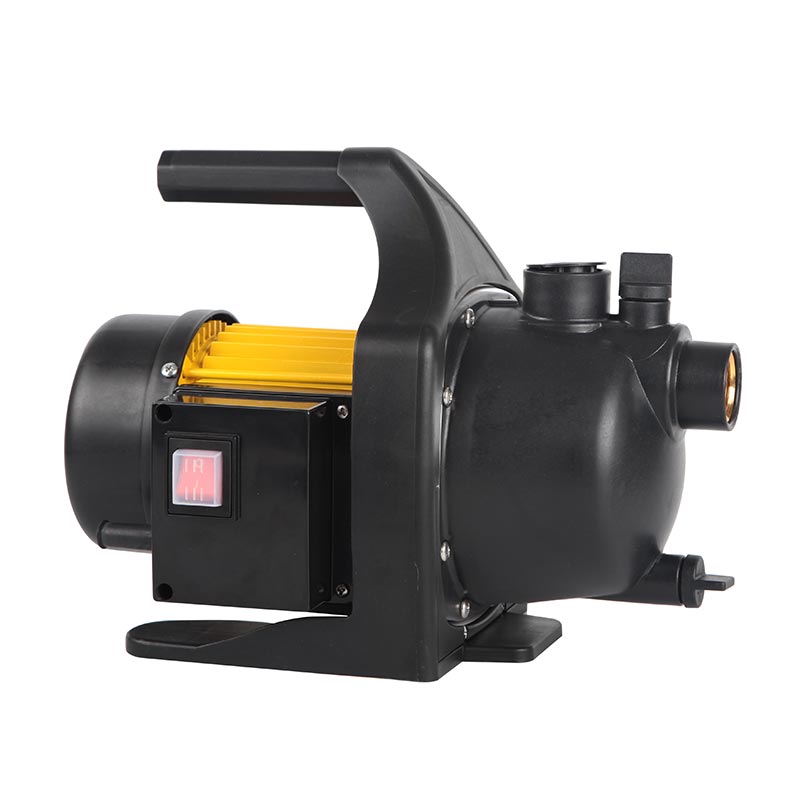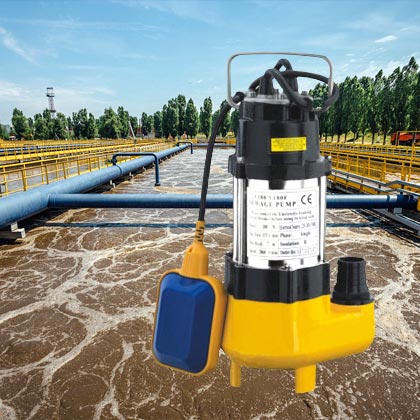

Transforming your outdoor space into a serene oasis often starts with the right fountain pump. In this comprehensive guide, we explore everything you need to know about selecting, installing, and maintaining a home garden use fountain pump. From understanding different pump types to ensuring energy efficiency and durability, this article covers practical tips and expert advice from TRUPOW, a trusted brand in high-quality fountain pumps.
Table of Contents
Why a Fountain Pump is Essential for Your Garden
A fountain pump does more than circulate water—it brings life, sound, and visual beauty to your outdoor space. Water movement prevents stagnation, reduces algae growth, and promotes a healthier ecosystem for plants and wildlife.
- Enhances garden aesthetics with flowing water features
- Promotes cleaner water and reduces mosquito breeding
- Supports aquatic plants and fish in garden ponds
- Creates a calming ambiance with soothing water sounds
Types of Home Garden Fountain Pumps
Choosing the right pump depends on your garden size, fountain style, and water features. Here are common types of TRUPOW home garden use fountain pumps:
| Type | Description | Best For |
|---|---|---|
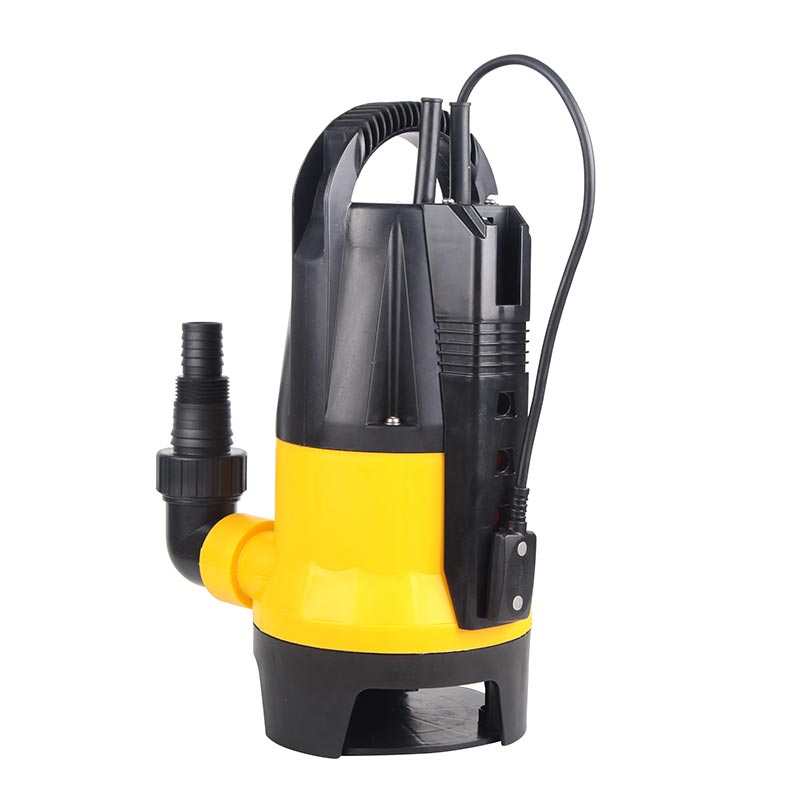
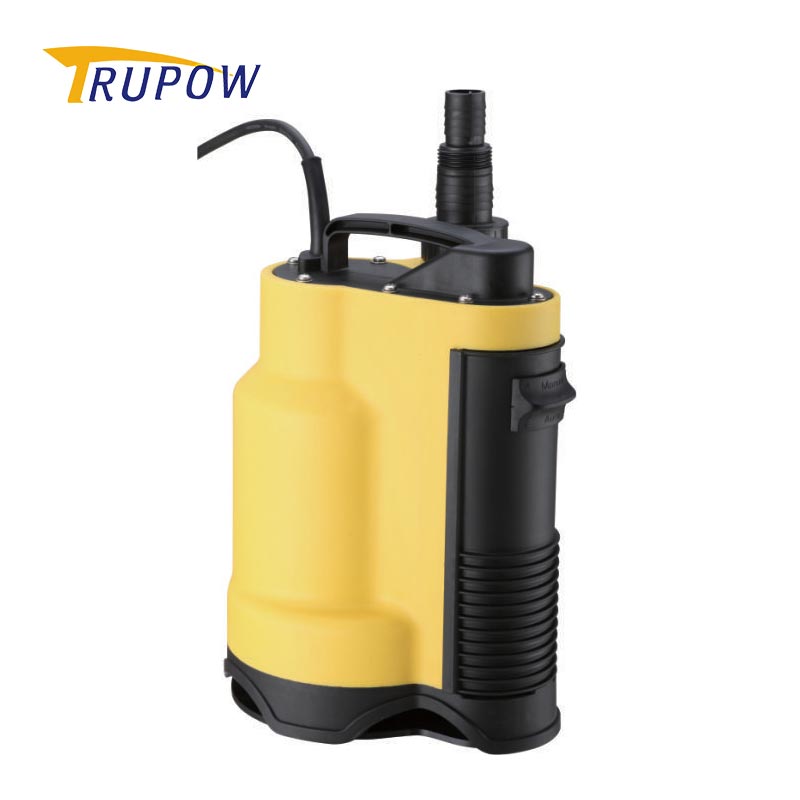
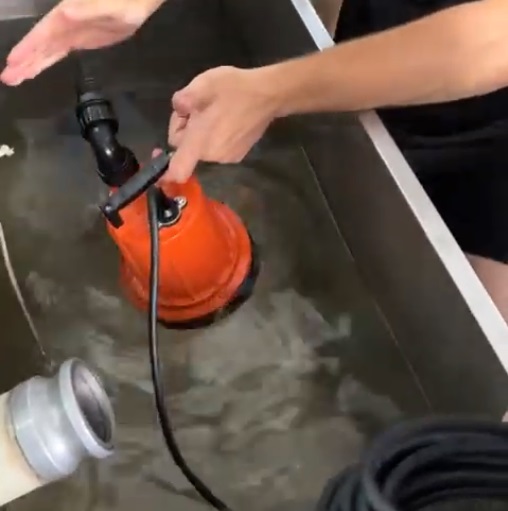
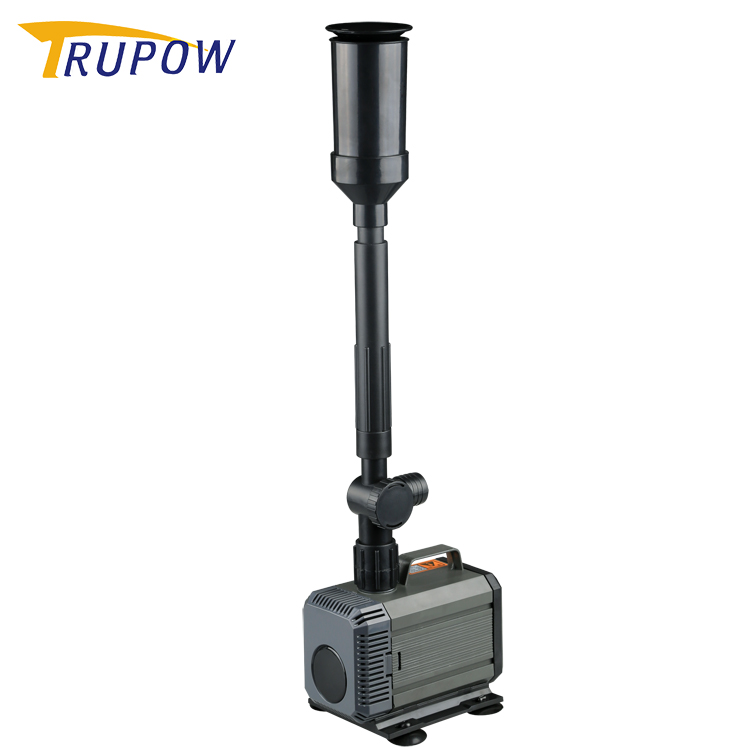
| Submersible Pump | Sits underwater, quiet operation, easy to hide | Small to medium fountains, ponds, water features |
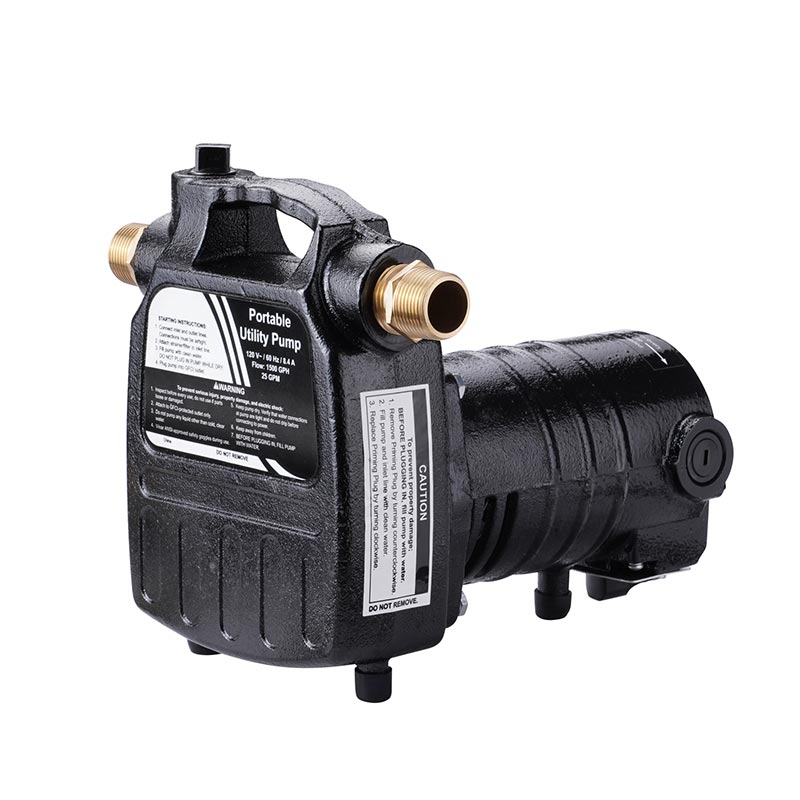
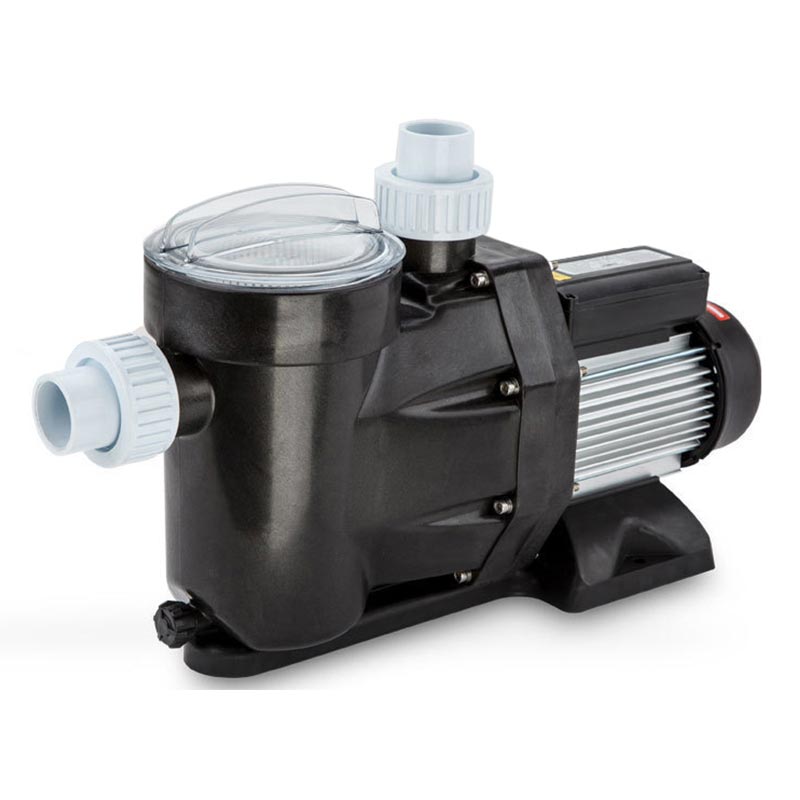
| External Pump | Located outside the water, powerful, easy to access for maintenance | Large fountains, waterfalls, and heavy water circulation |
| Solar Fountain Pump | Powered by sunlight, eco-friendly, portable | Small garden fountains, outdoor patio decorations |
Key Features to Look For in a Fountain Pump
When selecting a home garden use fountain pump, consider the following essential features:
- Flow Rate: Determines the water circulation speed, usually measured in gallons per hour (GPH).
- Head Height: Maximum vertical height water can be pumped, crucial for waterfalls or tall fountains.
- Energy Efficiency: Look for low wattage pumps that save electricity without sacrificing performance.
- Durability: Pumps made of corrosion-resistant materials last longer in outdoor conditions.
- Noise Level: Submersible pumps often provide quiet operation, ideal for relaxing garden environments.
- Adjustable Settings: Some pumps allow you to control water flow and fountain effects.
Installation Tips for Your Fountain Pump
Proper installation ensures your fountain pump runs efficiently and lasts longer. Here are expert tips from TRUPOW:
- Place submersible pumps fully underwater to prevent overheating.
- Use a stable base to reduce vibration and noise.
- Ensure proper electrical connections with weatherproof plugs.
- Keep the pump intake free of debris to maintain optimal flow.
- For solar pumps, position panels to receive maximum sunlight throughout the day.
Maintenance and Longevity
Regular maintenance keeps your home garden fountain pump running smoothly:
- Clean filters and impellers monthly to prevent clogging.
- Check electrical cords and connections for wear and tear.
- Drain and store pumps during freezing temperatures to avoid damage.
- Use non-toxic algae treatments to keep water clean without harming the pump.
With proper care, a TRUPOW fountain pump can last for many years, enhancing your garden's beauty season after season.
Energy Efficiency Considerations
Choosing an energy-efficient pump not only lowers electricity costs but also supports eco-friendly gardening. Key considerations include:
- Look for pumps with low wattage but high flow output.
- Solar-powered pumps eliminate electricity usage entirely.
- Use timers or sensors to run pumps only when needed.
- Ensure proper pump sizing—oversized pumps consume unnecessary power.
Common Problems and Troubleshooting
Even the best TRUPOW fountain pumps can encounter issues. Common problems include:
| Issue | Possible Cause | Solution |
|---|---|---|
| Pump not starting | Electrical connection issue, water level too low | Check power supply, ensure pump is fully submerged |
| Low water flow | Clogged filter or impeller | Clean filter and impeller regularly |
| Loud noise or vibration | Pump not placed on stable surface | Reposition pump on a flat, stable base |
| Overheating | Running pump dry or insufficient water | Ensure pump remains submerged and water level adequate |
Frequently Asked Questions (FAQ)
1. Can I use a fountain pump in a small backyard pond?
Yes, TRUPOW offers compact submersible pumps ideal for small to medium-sized garden ponds and water features.
2. How often should I clean my fountain pump?
It’s recommended to clean filters and impellers at least once a month to prevent clogging and maintain efficiency.
3. Are solar fountain pumps powerful enough for larger fountains?
Solar pumps are generally suited for small to medium fountains. For larger water features, an external or submersible electric pump is recommended.
4. Can fountain pumps operate in winter?
Electric pumps should be drained and stored during freezing conditions to prevent damage. Solar pumps may continue running in mild conditions but performance can vary.
5. What makes TRUPOW fountain pumps stand out?
TRUPOW pumps are known for durability, quiet operation, energy efficiency, and a wide range of options suitable for all garden types.
Conclusion
Selecting the right home garden use fountain pump requires understanding your garden’s needs, pump types, and features that matter most. With TRUPOW’s reliable range of pumps, you can create a visually stunning, eco-friendly, and low-maintenance water feature that enhances your outdoor space. Start transforming your garden today—contact us to find the perfect fountain pump for your home garden.