Follow Us:

News

Functions and Applications of Sewage Pumps

2026-01-23 0 Leave me a message

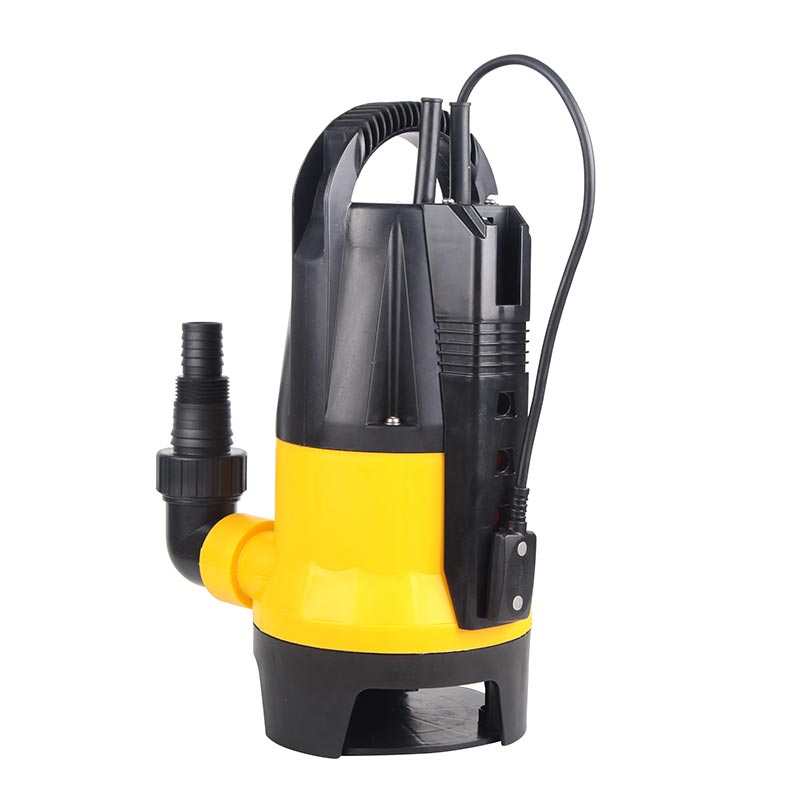
A sewage pump is a specialized type of centrifugal pump designed to handle wastewater containing solids, fibrous materials, and various suspended debris. Its primary function is to efficiently transport contaminated fluids that would clog or damage standard water pumps, ensuring the reliable operation of drainage and wastewater management systems.


The core operational role of a sewage pump is to lift and pressurize wastewater from a lower elevation to a higher point in the sewage collection network or treatment facility. This is crucial in applications where gravity flow is insufficient or impossible. Key to its function is its ability to handle challenging media. Unlike clear water pumps, sewage pumps feature impellers and pump casings engineered for clog-free operation. Common designs include vortex (recessed impeller), channel (single or dual-vane), or cutter types. The vortex impeller creates a swirling flow that allows solids to pass through without direct contact with the impeller, while cutter pumps employ rotating blades to macerate solids like rags, plastics, and fibers before pumping.


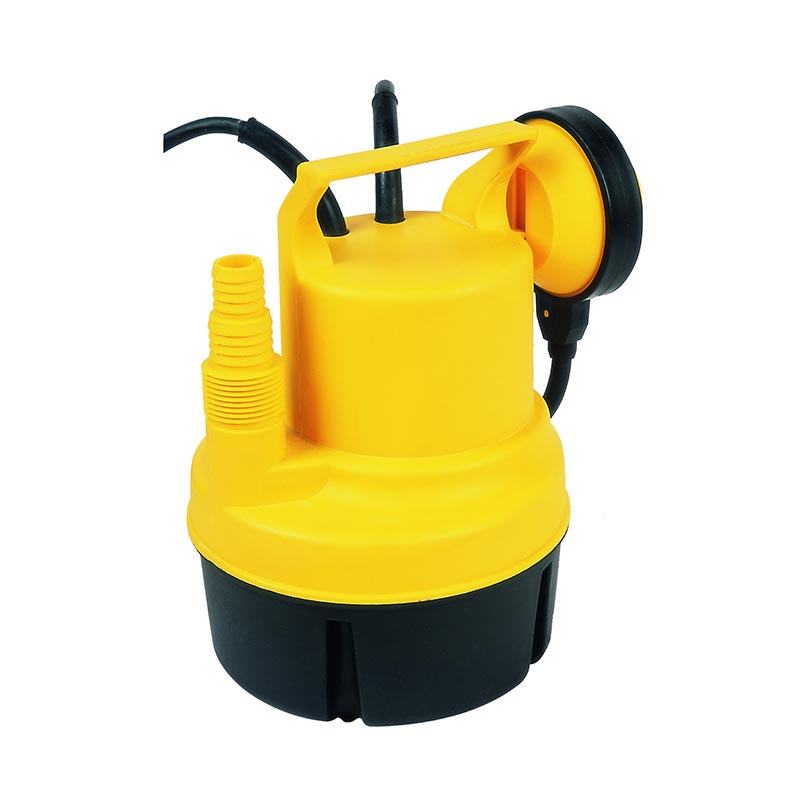
The applications of sewage pumps are vast and critical across multiple sectors:Residential and Commercial Construction: They are indispensable in buildings where plumbing fixtures are located below the main sewer line. This includes draining basements, underground bathrooms, kitchens, laundry rooms, and parking garages. Submersible units installed in sump or sewage collection pits are the standard solution.Municipal Infrastructure: They form the heart of wastewater pumping stations (lift stations) within public sewer systems. These stations collect sewage from a wide area and provide the necessary pressure to move it through pipelines towards treatment plants.


They are also used in stormwater and floodwater management systems.Industrial Processes: Industries generate process water and effluents containing specific pollutants, abrasives, or solids. Sewage pumps are used to transfer these industrial wastes to on-site pretreatment or central treatment facilities. Their robust construction resists corrosive and abrasive elements.Agriculture and Specialized Uses: In agriculture, they manage wastewater from livestock operations (manure slurry) and drainage water. They are also employed in public facilities like hospitals and hotels, and for emptying septic tanks.In summary, the sewage pump is a vital piece of environmental infrastructure. Its fundamental purpose is to provide reliable, uninterrupted transport of unsanitary and solids-laden fluids. By preventing blockages and enabling forced drainage in low-lying areas, it protects public health, prevents environmental contamination, safeguards property from water damage, and ensures the continuous flow of modern sanitation systems from the source to the treatment plant.

Related News
Leave me a message
X
We use cookies to offer you a better browsing experience, analyze site traffic and personalize content. By using this site, you agree to our use of cookies. Privacy Policy
Reject Accept