Follow Us:

News

What Makes a Pond Pump Essential for a Healthy Water Garden?

2026-04-15 0 Leave me a message

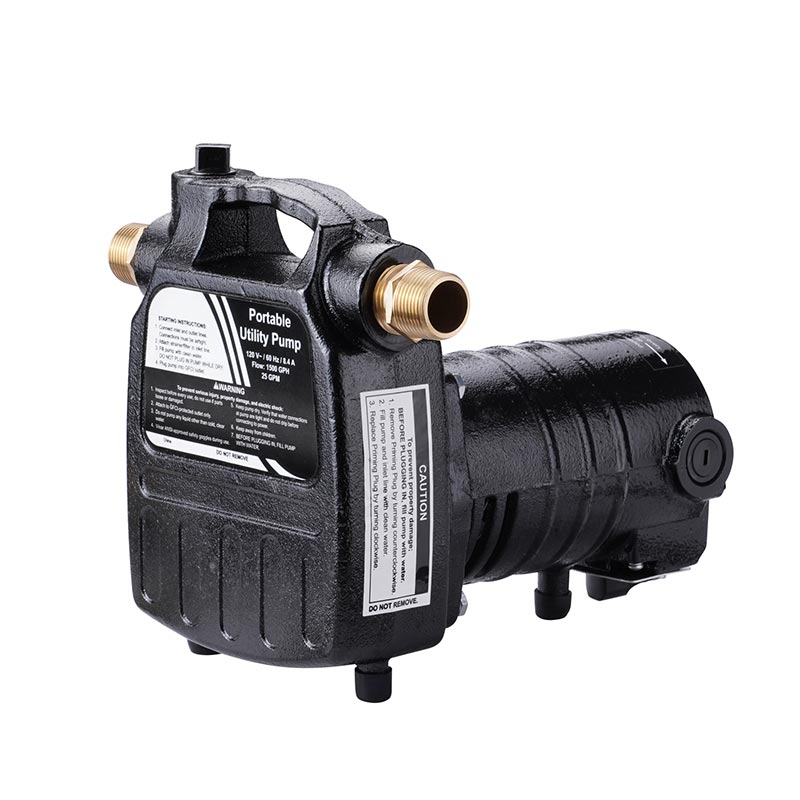
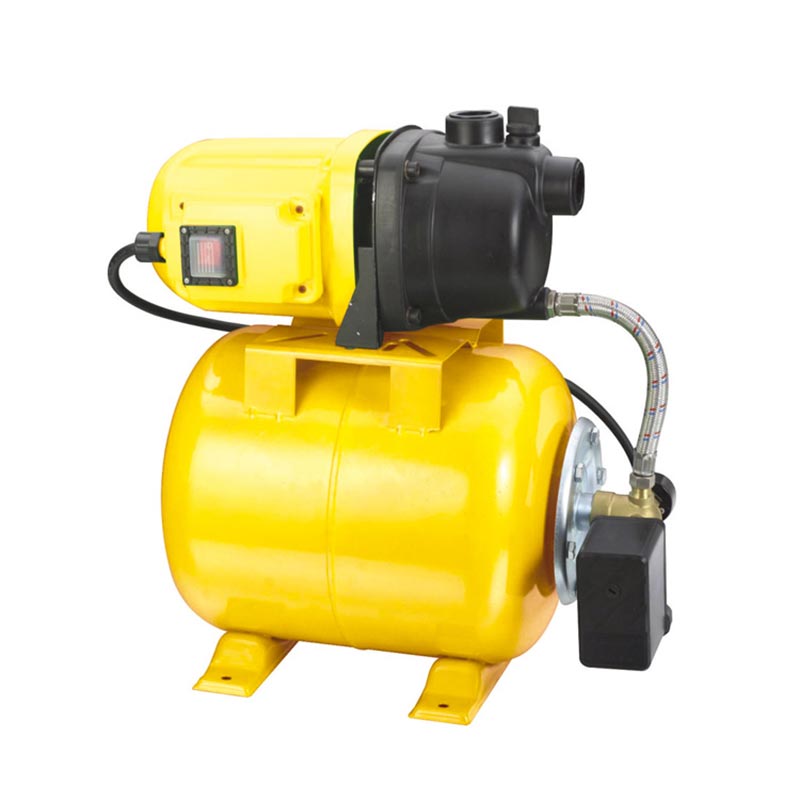
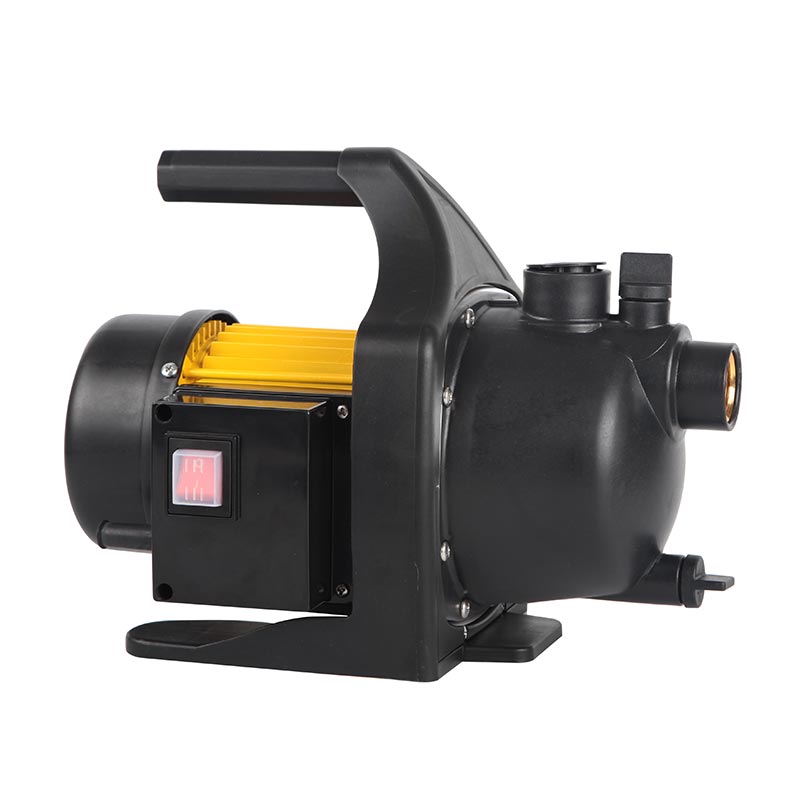
A pond pump is the heart of any water feature, ensuring circulation, oxygenation, and filtration. Whether you maintain a koi pond, decorative fountain, or natural ecosystem, choosing the right pump directly impacts water clarity, fish health, and long-term maintenance costs. This guide explores how pond pumps work, their benefits, selection criteria, installation tips, and expert insights to help you make an informed decision.

pond pump


Table of Contents


1. What Is a Pond Pump and Why Does It Matter?

A pond pump is a mechanical device designed to move water continuously within a pond system. It plays a crucial role in maintaining water circulation, which prevents stagnation and promotes a balanced aquatic environment.

Without proper circulation, ponds can quickly develop algae blooms, foul odors, and low oxygen levels—conditions that can harm fish and plants. This is why professionals from Ningbo TRUPOW Industrial Trade Co.,Ltd. emphasize the importance of selecting a high-quality pond pump as the foundation of any water feature.


2. How Does a Pond Pump Work?

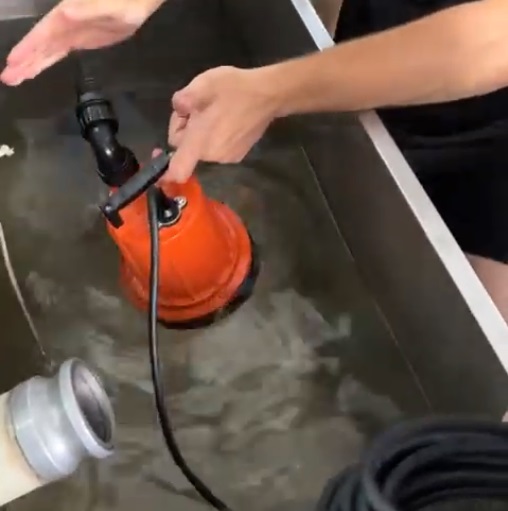
Pond pumps operate by drawing water through an intake and pushing it through a discharge outlet. The process typically involves:

  • Water intake through a filter or screen
  • Impeller rotation to create flow
  • Discharge through pipes, filters, or fountains

This continuous movement ensures that water passes through filtration systems, removing debris and maintaining clarity.


3. Key Benefits of Using a Pond Pump

  • Improved Water Circulation: Prevents stagnation and enhances oxygen levels.
  • Better Filtration: Supports mechanical and biological filtration systems.
  • Healthier Fish: Ensures adequate oxygen supply for aquatic life.
  • Enhanced Aesthetics: Powers waterfalls, fountains, and streams.
  • Algae Control: Reduces conditions that promote algae growth.

High-performance solutions from Ningbo TRUPOW Industrial Trade Co.,Ltd. are designed to maximize these benefits while maintaining energy efficiency.


4. Types of Pond Pumps Explained

Choosing the right type of pump depends on your pond’s size and purpose.

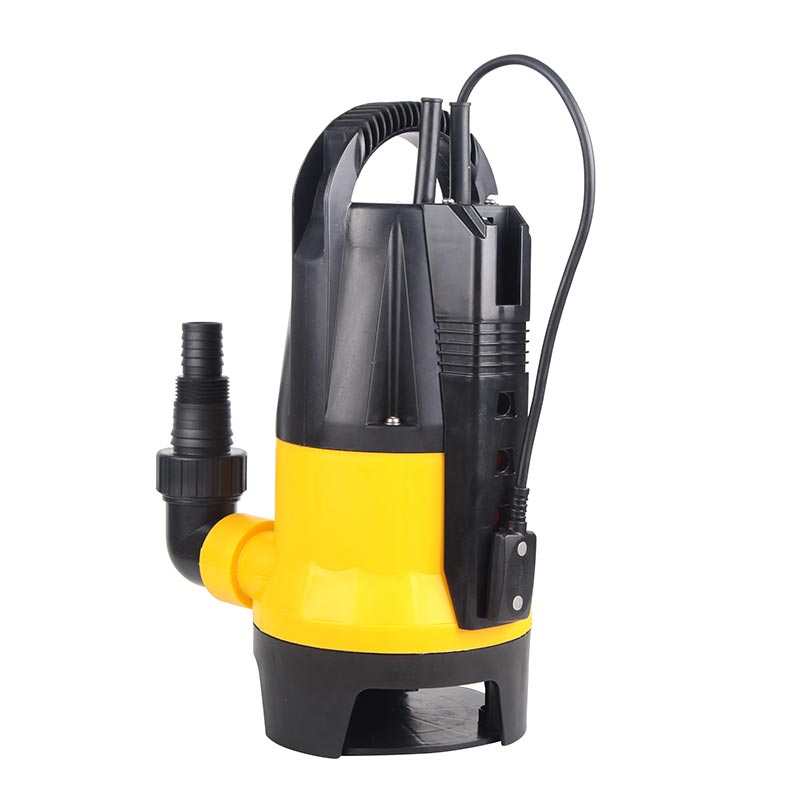
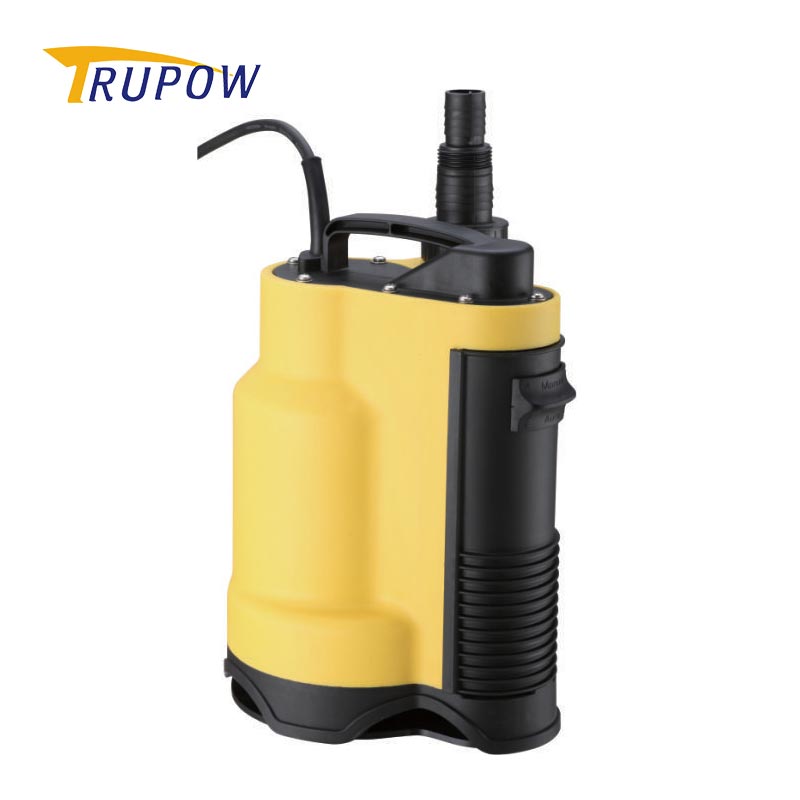
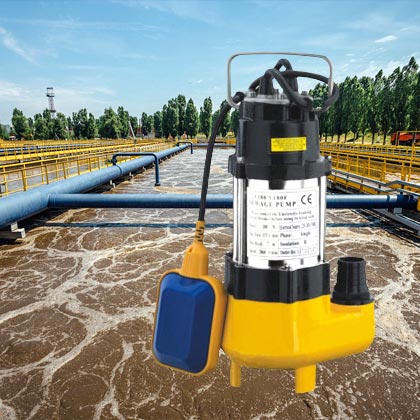
  • Submersible Pumps: Installed underwater, ideal for small to medium ponds.
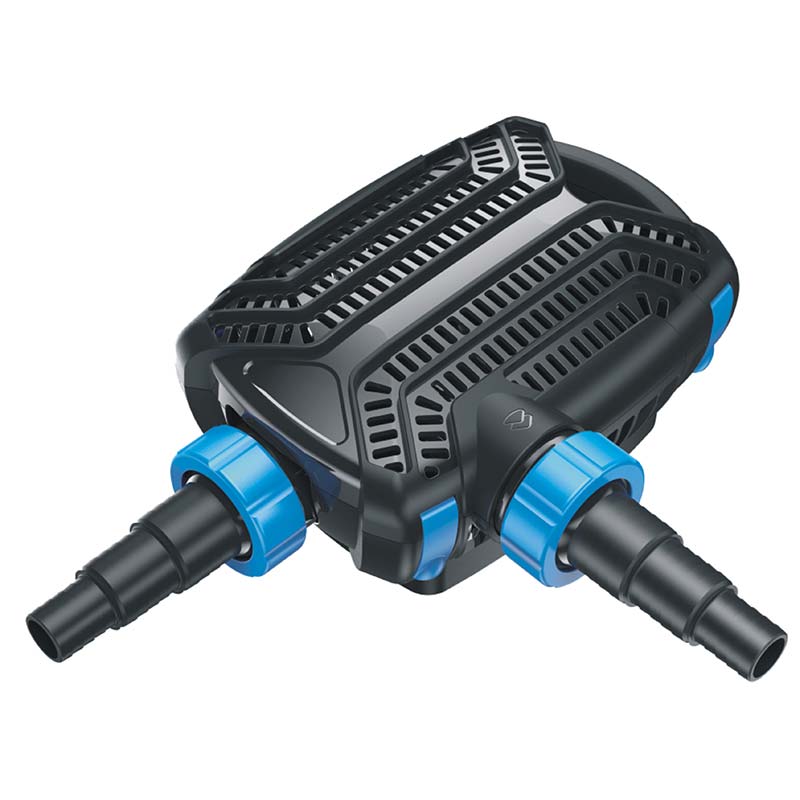
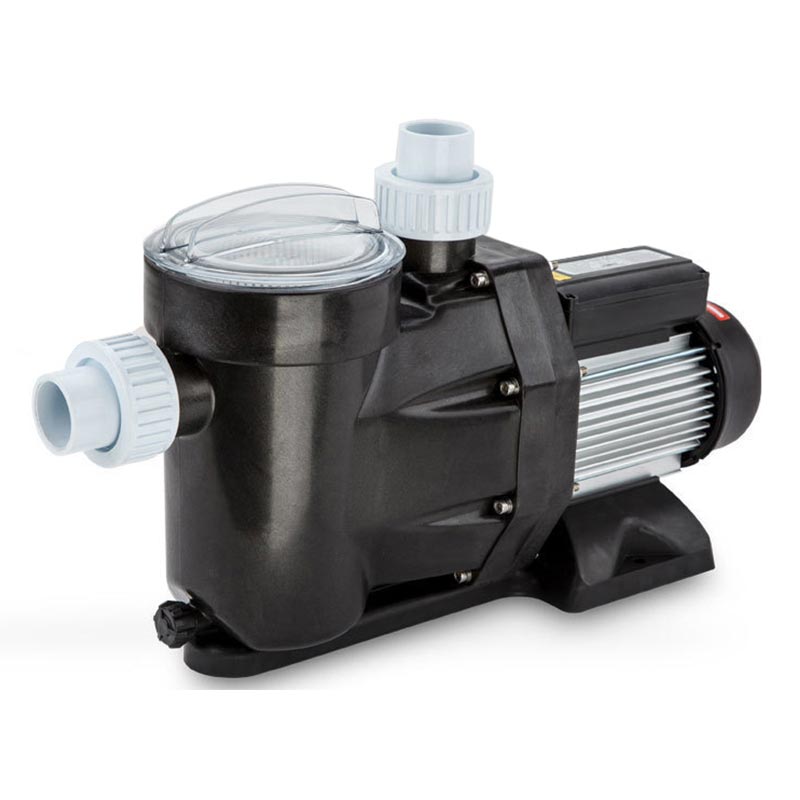
  • External Pumps: Installed outside the pond, suitable for large systems.
  • Solar Pumps: Eco-friendly option powered by sunlight.
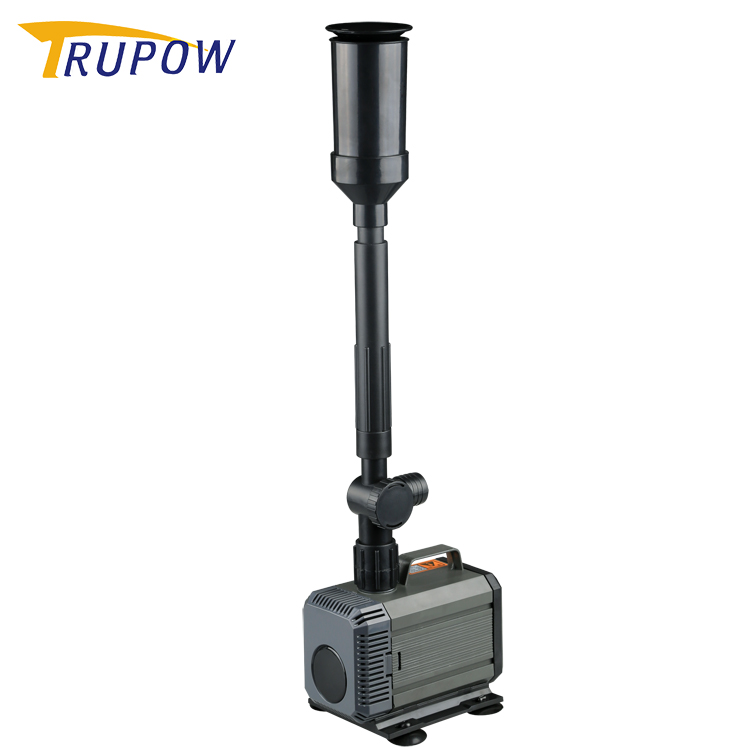
  • Fountain Pumps: Designed specifically for decorative water features.

5. How to Choose the Right Pond Pump

When selecting a pond pump, consider the following factors:

  • Pond Size: Larger ponds require higher flow rates.
  • Flow Rate (GPH): Ideally, the pump should circulate the entire pond volume every 1–2 hours.
  • Head Height: The vertical distance the pump must push water.
  • Energy Efficiency: Lower power consumption reduces long-term costs.
  • Durability: Look for corrosion-resistant materials.

Products from Ningbo TRUPOW Industrial Trade Co.,Ltd. are engineered to meet diverse requirements, offering reliable performance across different pond applications.


6. Installation and Setup Guide

Proper installation ensures optimal pump performance:

  • Place the pump on a stable, elevated surface
  • Avoid direct contact with pond debris
  • Use appropriate tubing and fittings
  • Ensure electrical safety with waterproof connections

Following these steps helps prevent clogging and extends the lifespan of your pump.


7. Maintenance Tips for Long-Term Performance

  • Clean the intake regularly
  • Check for blockages in pipes
  • Inspect electrical components
  • Remove debris from the impeller

Routine maintenance not only improves efficiency but also reduces the risk of costly repairs.


8. Common Mistakes to Avoid

  • Choosing an undersized pump
  • Ignoring head height requirements
  • Skipping regular maintenance
  • Improper installation

Avoiding these mistakes can significantly enhance your pond’s performance and longevity.


9. Comparison Table of Pond Pump Features

Feature Submersible Pump External Pump Solar Pump
Installation Underwater Outside Pond Above Water
Best For Small/Medium Ponds Large Ponds Eco-Friendly Use
Maintenance Moderate Easy Low
Energy Efficiency Medium High Very High

10. Frequently Asked Questions

Q1: How do I determine the right pump size?
A: Calculate your pond volume and choose a pump that can circulate that volume within 1–2 hours.

Q2: Can I run a pond pump continuously?
A: Yes, most pond pumps are designed for continuous operation.

Q3: How often should I clean my pump?
A: Typically every 2–4 weeks, depending on debris levels.

Q4: Are solar pond pumps reliable?
A: They are effective for small ponds but depend on sunlight availability.

Q5: Why is my pond water still cloudy?
A: This could be due to insufficient filtration or an undersized pump.


Conclusion

A pond pump is more than just a piece of equipment—it is the driving force behind a thriving aquatic environment. By understanding how it works and choosing the right model, you can ensure clear water, healthy fish, and a visually stunning pond.

Ningbo TRUPOW Industrial Trade Co.,Ltd. offers a wide range of high-quality pond pumps designed to meet various needs, from small decorative ponds to large-scale water systems. With a commitment to durability and performance, their solutions provide long-lasting value.

Looking to upgrade your pond system? Contact us today to explore premium pond pump solutions tailored to your needs and transform your water feature into a vibrant ecosystem.

Related News
Leave me a message
X
We use cookies to offer you a better browsing experience, analyze site traffic and personalize content. By using this site, you agree to our use of cookies. Privacy Policy
Reject Accept